Benefits of Making Trini Hops Bread at Home
Making Trini hops bread at home offers a variety of benefits. One major advantage is the use of fresh ingredients. You have full control over the quality and type of ingredients you use, ensuring a healthier bread.
Another benefit is the ability to customize the recipe. You can adjust the ingredients to suit your taste preferences or dietary needs. For example, you can add whole grains or reduce the sugar content.
Baking at home is also a great way to save money. The cost of store-bought bread can add up over time, whereas making your own is often cheaper. Plus, you can make larger batches to last longer.
Homemade bread has a superior taste compared to store-bought versions. The fresh, warm aroma of bread baking in your kitchen is something you can’t get from a package. Your family will surely appreciate the delicious flavor.
Lastly, baking bread at home can be a fun and rewarding activity. It provides a sense of accomplishment and can be a great way to bond with family members. Kids can help with simple tasks, making it a fun family project.
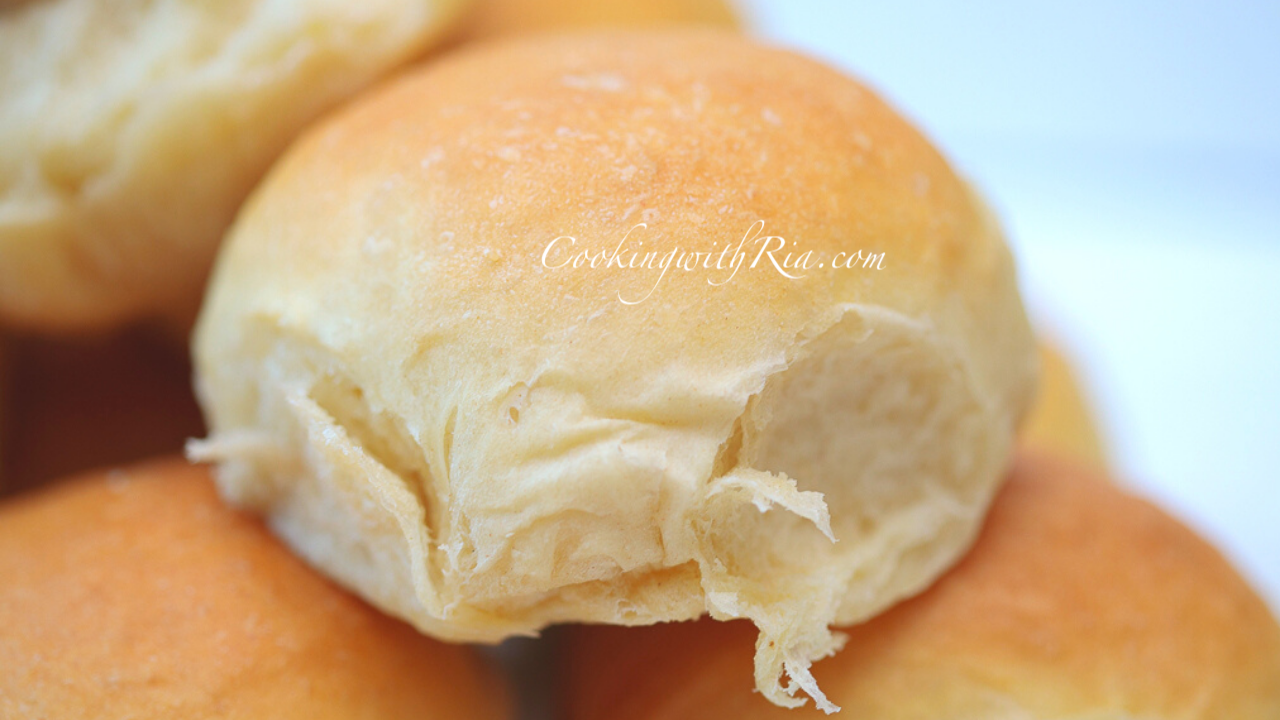
Ever wondered about the secret behind the delightful aroma of Caribbean bakeries? It’s often the irresistible scent of Trini hops bread, a beloved bread in Trinidad known for its soft, fluffy texture. This traditional bread has been a staple in Trini households for generations.
The history of Trini hops bread is deeply rooted in the island’s culture, dating back to when it was first introduced by European settlers. A key ingredient that sets this bread apart is the inclusion of active yeast, which contributes to its distinct rise and texture. Remarkably, around 80% of households in Trinidad bake this bread regularly, showcasing its importance in daily life.
Ingredients
To make delicious Trini hops bread, you need a few simple ingredients. Each part plays an important role in giving the bread its unique flavor and texture. Here is what you need:
- 4 cups all-purpose flour
- 2 tablespoons sugar
- 2 teaspoons salt
- 2 teaspoons yeast
- 1 ½ cups warm water
- 2 tablespoons margarine
General Information
This table provides details about making Trini hops bread. It covers everything from preparation time to serving size. This helps you plan your baking process smoothly.
| Category | Details |
|---|---|
| Making Difficulty | Easy |
| Preparation Time | 15 minutes |
| Cooking Time | 25 minutes |
| Serving Size | 8 |
| Meal Type | Side Dish |
Instructions
Making Trini hops bread involves a series of simple steps. Follow these instructions carefully to ensure your bread turns out perfect. Here are the step-by-step details to guide you through the process.
Step 1: Mix Dry Ingredients
Start by combining the flour, sugar, salt, and yeast in a large mixing bowl. Make sure to mix these dry ingredients thoroughly. This will ensure that the yeast is evenly distributed throughout the flour.
A well-mixed base sets the foundation for a great dough. Use a whisk or sift the ingredients to avoid lumps. This step is crucial for a smooth dough later on.
Step 2: Add Water and Knead Dough
Next, gradually add warm water to the dry mixture. Make sure the water is not too hot, as it can kill the yeast. Mix until a dough forms.
Once a dough forms, transfer it to a lightly floured surface and knead for about 10 minutes. Kneading develops the gluten, making the dough elastic and smooth. If the dough is too sticky, add a little more flour.
Step 3: Allow Dough to Rise
Place the kneaded dough back into the bowl and cover it with a damp cloth. Let it rise in a warm place for about an hour. This step is crucial as it allows the dough to double in size.
Rising time may vary depending on the room temperature. The dough should be puffy and light. This process helps build the bread’s airy texture.
Step 4: Shape Dough and Bake
After the dough has risen, punch it down gently to remove air bubbles. Divide the dough into equal portions and shape them into small balls. Place these on a baking sheet lined with parchment paper.
Preheat your oven to 375°F (190°C). Bake the dough balls for about 15-20 minutes, or until they are golden brown. The bread should feel light and slightly springy when done.
Step 5: Cool and Serve
Once baked, remove the bread from the oven and let it cool on a wire rack. Cooling helps to set the texture and makes the bread easier to handle. Avoid slicing the bread while it’s hot.
Serve the Trini hops bread warm or at room temperature. It pairs wonderfully with butter, cheese, or any of your favorite spreads. Enjoy!
Important Things to Keep in Mind
When making Trini hops bread, it’s essential to use fresh yeast. Fresh yeast ensures the bread rises well and gives it a light texture. Old or expired yeast can result in dense bread.
Another critical factor is the temperature of the water. Warm water helps activate the yeast, but avoid hot water as it can kill the yeast. The ideal temperature is around 110°F (43°C).
The kneading process is also vital. Kneading the dough properly develops the gluten, which gives the bread its chewy texture. Spend at least 10 minutes kneading to achieve the best results.
Always allow the dough to rise in a warm place. The dough needs a warm environment to rise correctly. If your kitchen is cold, consider placing the dough in an oven with the light on.
Baking time and temperature must be monitored closely. Check the bread towards the end of the baking time to avoid over-browning. A golden brown color indicates the bread is done.
Finally, let the bread cool completely before slicing. Cutting the bread while it’s hot can cause it to become gummy. Allow it to sit for at least 20 minutes after baking.
Benefits of Making Trini Hops Bread at Home
Making Trini hops bread at home offers a variety of benefits. One major advantage is the use of fresh ingredients. You have full control over the quality and type of ingredients you use, ensuring a healthier bread.
Another benefit is the ability to customize the recipe. You can adjust the ingredients to suit your taste preferences or dietary needs. For example, you can add whole grains or reduce the sugar content.
Baking at home is also a great way to save money. The cost of store-bought bread can add up over time, whereas making your own is often cheaper. Plus, you can make larger batches to last longer.
Homemade bread has a superior taste compared to store-bought versions. The fresh, warm aroma of bread baking in your kitchen is something you can’t get from a package. Your family will surely appreciate the delicious flavor.
Lastly, baking bread at home can be a fun and rewarding activity. It provides a sense of accomplishment and can be a great way to bond with family members. Kids can help with simple tasks, making it a fun family project.
Frequently Asked Questions
Trini hops bread is a beloved staple in Trinidadian cuisine, cherished for its unique texture and flavor. Below are some common questions and answers regarding this delightful bread. These responses provide insight into various aspects of making and enjoying Trini hops bread.
1. What makes Trini hops bread different from other types of bread?
Trini hops bread is known for its light, fluffy texture and slightly sweet taste. This is achieved by using specific ingredients like sugar, margarine, and yeast in precise amounts. The dough is also often allowed to rise longer, giving it an airy quality.
Additionally, the method of baking contributes to its unique texture. Many traditional recipes call for baking at a higher temperature for a shorter period. This creates a crisp crust while keeping the inside soft and pillowy.
2. Can I use whole wheat flour instead of all-purpose flour in this recipe?
Yes, you can substitute whole wheat flour if you prefer a healthier option. However, using whole wheat flour will affect the texture and taste, making the bread denser and less airy. Balanced recipes often mix both flours to maintain some lightness.
If you decide to use whole wheat flour exclusively, you may need to adjust the amount of liquid in the recipe. Whole wheat flour absorbs more water than all-purpose flour, so be prepared to add a bit more liquid during the dough-making process.
3. How do I store Trini hops bread to keep it fresh?
Trini hops bread is best enjoyed fresh but can be stored in an airtight container to keep it from drying out. For short-term storage, keep the bread at room temperature away from direct sunlight. It should last for about two to three days this way.
For longer storage, consider freezing the bread. Wrap it tightly in plastic wrap, then place it in a freezer-safe bag. When ready to eat, thaw at room temperature and warm it in the oven for a few minutes to restore its freshness.
4. Is it necessary to use margarine, or can I substitute it with butter?
While margarine is traditionally used in Trini hops bread, you can substitute it with butter. Butter has a richer flavor, which might slightly alter the taste of the bread. Some people prefer the buttery taste, while others stick with margarine for authenticity.
Keep in mind that butter tends to have a lower melting point than margarine. This could potentially affect the texture and structure of the bread. Experiment to see which you prefer.
5. What causes Trini hops bread to become dense instead of light and fluffy?
A dense bread can result from several factors, including insufficient kneading, improper yeast activation, or not allowing the dough to rise adequately. Kneading helps develop gluten, which gives the bread its structure and airiness.
Ensure the yeast is fresh and properly activated before adding it to the flour. Also, give the dough enough time to rise in a warm, draft-free environment. These steps are crucial for achieving the desired light and fluffy texture.
How to make Trini Hops for Ham / Fluffy Hops Bread – Episode 1049
Final Thoughts
Trini hops bread embodies the rich culinary heritage of Trinidad. Its unique texture and flavor make it a favorite in many households. Making it at home not only ensures freshness but also allows for personal customization.
Whether you are an expert baker or new to bread-making, crafting this bread can be a rewarding experience. Follow the detailed instructions, keep the essential tips in mind, and enjoy the delicious results. Happy baking!