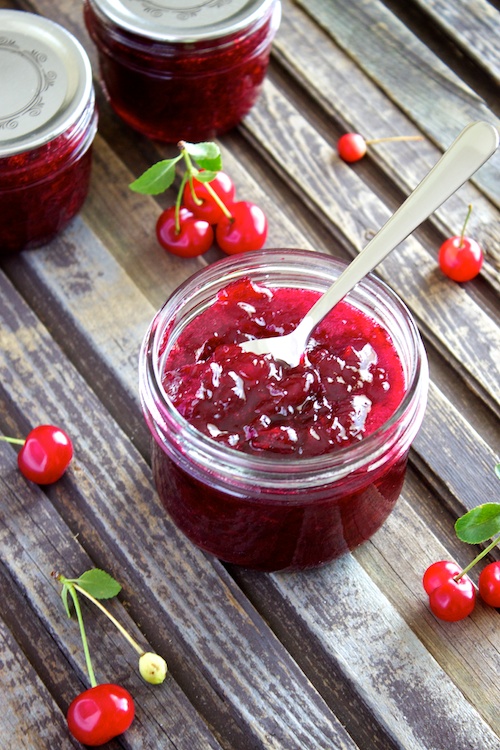
Every summer, the aroma of simmering sour cherry jam fills kitchens, a tradition that has been cherished for generations. This timeless recipe, made vibrant with the addition of pectin, transforms tart cherries into a lusciously spreadable delight. The interplay of sour and sweet is a testament to refined culinary craftsmanship.
Including pectin in your sour cherry jam recipe is not merely a modern convenience but a technique with historical roots. Originating in the 18th century, pectin use was propelled by the discovery that certain fruits naturally possess high gelling properties. Experts now recognize that adding commercial pectin ensures a consistent texture, taking the guesswork out of achieving that perfect set every time.
This professional guide provides you with all the essential steps and tips for creating the perfect sour cherry jam using pectin. Follow along to ensure you achieve the desired consistency and delightful taste in every jar.
Ingredients
To make delicious sour cherry jam with pectin, you’ll need a few essential ingredients. These ingredients ensure the jam has the right sweetness and texture. Here’s what you’ll need:
- 4 cups of pitted sour cherries
- 4 cups of granulated sugar
- 1 package of pectin (usually 1.75 ounces)
- 2 tablespoons of lemon juice
- ½ cup of water
General Information
Making sour cherry jam with pectin can be a fun and rewarding experience. It’s important to know some basic details about the process before you start. Below is a table with key information to help you.
| Category | Details |
|---|---|
| Making Difficulty | Easy to Moderate |
| Preparation Time | 30 minutes |
| Cooking Time | 20 minutes |
| Serving Size | Makes about 5 jars |
| Type of Preserve | Jam |
Instructions
Follow these steps to make your sour cherry jam with pectin. Each step is important to ensure you get a delicious and well-set jam. Take your time and enjoy the process.
Step 1: Prepare the Cherries
First, you need to prepare the cherries. Wash them thoroughly and remove the pits. You can use a pitter or a small knife for this job. Make sure there are no stems or leaves left on the cherries.
Once the cherries are clean and pitted, chop them into small pieces. This helps them cook down faster and more evenly. Place the chopped cherries in a large bowl and set them aside.
Step 2: Mix the Ingredients
Next, gather all your ingredients. Measure out 4 cups of the chopped cherries and 4 cups of sugar. Pour the cherries and sugar into a large pot or saucepan.
Add the lemon juice and water to the pot as well. Stir everything together until the sugar begins to dissolve. It’s important to mix well to ensure an even consistency.
Step 3: Cook the Jam Mixture
Place the pot on the stove over medium heat. Stir occasionally to prevent sticking and burning. Bring the mixture to a boil, then reduce the heat and let it simmer. This will help the cherries break down and release their juices.
Once the mixture has thickened, it’s time to add the pectin. Add the pectin slowly while stirring continuously. Let it cook for about 5 more minutes to activate the pectin.
Step 4: Testing Jam’s Readiness
To test if the jam is ready, take a spoonful and let it cool for a minute. If it sets and wrinkles when pushed with your finger, the jam is ready. If not, you may need to cook it a bit longer.
Another method is the freezer test. Place a small plate in the freezer for a few minutes, then drop some jam on it. If the jam sets quickly, it’s done. If it remains runny, cook for a few more minutes and try again.
Step 5: Canning and Storing
Once the jam is ready, it’s time to can it. Sterilize your jars and lids by boiling them in water for 10 minutes. Carefully ladle the hot jam into the jars, leaving about ¼ inch of space at the top.
Wipe the rims clean and place the lids on the jars. Tighten the lids and place the jars back in boiling water for another 10 minutes. This seals the jars and keeps the jam fresh for longer. Store your jam in a cool, dark place until you’re ready to enjoy it!
Important Things to Keep in Mind
When making sour cherry jam with pectin, it’s crucial to sterilize all your equipment. This includes jars, lids, and any utensils you’ll be using. Sterilization helps prevent bacteria, molds, and yeasts from spoiling your jam.
Another important aspect is the ratio of fruit to sugar. If there’s not enough sugar, the jam might not set properly. If there’s too much, it could end up overly sweet. Stick to the recommended measurements for the best results.
Monitoring the cooking temperature is also key. Use a candy thermometer to ensure the mixture reaches the gelling point, which is typically around 220°F. Maintaining this temperature helps the pectin activate fully, giving your jam the desired consistency.
For a seamless process, prepare all ingredients and equipment before starting. This includes pitting and chopping the cherries, measuring the sugar, and having jars ready. Being organized helps make the cooking process smoother and less stressful.
Finally, safe storage is imperative. Once the jars are sealed, store them in a cool, dark place like a pantry. Unopened jars can last for up to a year, while opened jars should be refrigerated and used within a few weeks.
Troubleshooting Common Issues
Making sour cherry jam can sometimes present challenges. Here are some common issues and tips on how to address them. Follow these suggestions to ensure your jam turns out perfect every time.
Jam Not Setting
If your jam is too runny, it might not have cooked long enough. Try cooking it for a few more minutes while stirring continuously. You can also add a bit more pectin to help it set.
Sometimes, improper ratios of sugar to fruit can cause setting issues. Make sure to measure accurately and follow the recipe closely. If all else fails, refrigerate the jam, as cooler temperatures can help it thicken.
Overly Thick Jam
On the other hand, if your jam is too thick or hard, it may have been cooked too long. Add a little water and reheat the jam to soften it up. Stir gently to avoid breaking down the fruit too much.
If the jam remains too thick, consider using it as a filling for desserts or spreading it on toast. Sometimes, experimenting with different uses can turn a mistake into a creative solution.
Off-Flavors or Spoilage
If your jam has an off-flavor, it could be due to overripe or underripe cherries. Always use fresh, high-quality cherries for the best taste. Sometimes, burnt sugar can also cause off-flavors, so monitor the heat closely.
Spoilage is another concern. If you notice mold or an unusual odor, discard the jam immediately. Proper sterilization of jars and lids, along with correct sealing, can help prevent spoilage.
Air Bubbles in the Jam
Air bubbles are usually harmless but can affect the appearance of your jam. To minimize bubbles, stir the mixture gently and consistently while cooking. Before sealing, use a spoon to remove any bubbles from the surface.
If bubbles still appear after sealing, they won’t affect the flavor or safety of the jam. Just remember to stir more carefully next time to avoid this issue.
Frequently Asked Questions
This section will address some common queries regarding making sour cherry jam with pectin. These questions cover various aspects to help you create the perfect jam every time.
How do I know when the jam is set?
Testing the jam’s readiness is crucial for achieving the perfect texture. A simple method is the plate test: drop a bit of the hot jam on a chilled plate and let it cool for a minute. If it wrinkles when you push it with your finger, it’s set.
Another way is to use a candy thermometer. The jam should reach about 220°F for it to set properly. Ensuring the correct temperature helps in achieving the desired consistency.
What can I do if my jam is too runny?
If your jam is too runny, it probably didn’t cook long enough. Try cooking it again for a few more minutes to evaporate extra liquid. Make sure to stir continuously to avoid burning.
Adding extra pectin can also help achieve the right consistency. Dissolve the additional pectin in a small amount of water and mix it into the jam, then cook for a few minutes while stirring.
Can I use frozen cherries instead of fresh ones?
Yes, you can use frozen cherries to make jam. However, be sure to thaw them completely and drain any excess liquid before using them. This helps in maintaining the correct fruit-to-sugar ratio in your recipe.
Frozen cherries might not have the same zing as fresh ones, so you might want to add a bit more lemon juice or zest. It can help to brighten the flavor of your jam.
Why did my jam turn out too thick?
If your jam is too thick, it may have been overcooked. Adding a small amount of water and reheating it can help adjust the thickness. Stir gently to avoid breaking down the fruit pieces too much.
Another reason could be using too much pectin. Follow the recipe closely and use the recommended amount of pectin for the best results. Measuring ingredients accurately is essential for consistent outcomes.
How can I safely store my homemade jam?
Proper sterilization and sealing of jars are key to safe storage. Sterilize your jars and lids by boiling them in water for at least 10 minutes. After filling the jars with hot jam, seal them tightly and place them in boiling water for another 10 minutes to ensure a proper seal.
Once sealed, store the jars in a cool, dark place. Unopened jars can last up to a year, while opened jars should be refrigerated and consumed within a few weeks. This ensures your homemade jam stays fresh and safe to eat.
Easy Cherry Jam Recipe – Homemade sour cherry jam in only 30 minutes!
Conclusion
Crafting your own sour cherry jam with pectin is both an art and a science. From selecting fresh cherries to getting the right set, every step requires care and attention. With the right techniques and a bit of practice, you can create delicious jam that captures the vibrant flavor of sour cherries.
Whether you’re troubleshooting common issues or perfecting your process, this guide offers all the information you’ll need. By following these professional tips, you’ll ensure your jam is consistently delicious. Enjoy the rewarding experience of homemade sour cherry jam!