Looking to enhance your wine with a rich, festive flavor? Combine 2 cinnamon sticks, 8 whole cloves, 6 allspice berries, 1 teaspoon freshly grated nutmeg, zest of one dried orange, and 2 star anise. Simmer these spices with a bottle of red wine for 30 minutes for a delightful warm drink.
The history of mulling spices is as rich as the flavors they imbue. Tracing back to ancient Rome, the practice of warming and spicing wine has transcended centuries, capturing hearts with its warming embrace. This age-old tradition continues to be a festive favorite across various cultures.
A quintessential mulling spice blend typically features cinnamon, cloves, allspice, and nutmeg, offering a complex interplay of aromas. Orange peels and star anise frequently highlight the mix, adding citric zest and a touch of aromatic sweetness. Combined with a robust red wine, these spices infuse the drink with layers of taste that beckon conviviality.
Ingredients
For the perfect mulling spice blend for wine, you’ll need a mix of fragrant spices. These ingredients will add warmth and flavor to your drink. Here’s a list of what you need:
- 2 cinnamon sticks
- 8 whole cloves
- 6 allspice berries
- 1 teaspoon freshly grated nutmeg
- Zest of one orange (dried)
- 2 star anise
- 1 bottle of red wine (750 ml)
General Information
Mulling spices for wine bring a warm, festive touch to your drinks. This table provides details on the general process of making mulled wine.
Included are aspects like making difficulty, preparation and cooking time, and serving size.
| Category | Details |
|---|---|
| Making Difficulty | Easy |
| Preparation Time | 10 minutes |
| Cooking Time | 30 minutes |
| Serving Size | 6-8 cups |
Instructions
Making mulled wine with mulling spices is simple and rewarding. Follow these easy steps for a warm, flavorful drink. Just gather your ingredients and follow this guide.
Step 1: Prepare the Spices
Take two cinnamon sticks, eight whole cloves, six allspice berries, one teaspoon of grated nutmeg, zest of one dried orange, and two star anise. Put these spices in a cheesecloth or a small muslin bag. Tying the spices helps keep them together and makes it easy to remove them later.
This step ensures that the spices do not get lost in the wine. You can also adjust the spice quantities to match your taste. If you prefer a stronger flavor, add more spices.
Step 2: Heat the Wine
Pour one bottle of red wine into a large pot. Place the pot on the stove over low to medium heat. It’s important to heat the wine gently and not let it boil.
Boiling the wine can make it taste bitter and ruin the flavors. Gently heating it allows the spices to infuse slowly. This step typically takes about 10 minutes.
Step 3: Add the Spices
Once the wine is warm, add the prepared spice bag to the pot. Let the spices simmer in the wine for about 20 to 30 minutes. Stir occasionally to help the flavors blend together.
This process allows the wine to absorb all the rich aromas of the spices. If you have a lid, cover the pot to keep the heat and flavors in. The goal is to avoid rapid evaporation while maximizing infusion.
Step 4: Taste and Adjust
After simmering, carefully taste the mulled wine. If the flavor is too strong, you can add a little more wine or a splash of orange juice. If it’s too mild, let it simmer a bit longer.
This step allows you to personalize the drink to your liking. Everyone’s taste is different, so don’t hesitate to make adjustments. The goal is to find the perfect balance of warmth and spice.
Step 5: Serve Warm
Remove the spice bag from the pot using tongs. Pour the mulled wine into cups or mugs. Serve it warm to fully enjoy the rich, festive flavors.
You can garnish each cup with a cinnamon stick or a slice of orange for extra presentation. This adds a special touch and enhances the overall experience. Enjoy your mulled wine with friends and family.
Important Things to Keep in Mind
When making mulled wine, there are key points to remember to ensure the best results. Avoid boiling the wine as it can cause bitterness and diminish the flavors. Gently simmering helps maintain the perfect taste balance.
Using fresh spices results in a more vibrant and flavorful drink. Old, stale spices won’t give you the same intensity and can make your wine taste bland. Always check the quality of your spices before starting.
Adjusting the spice quantities to your personal preference is important. Some people prefer a stronger flavor, while others like it milder. Experimenting with different amounts allows you to find the perfect blend for your taste.
When serving, always make sure the wine is warm, not hot. This helps to fully appreciate the rich and warming flavors. Adding a garnish, like a cinnamon stick or orange slice, enhances the presentation and aroma.
Leftovers can be stored in the fridge for up to three days. Make sure to reheat gently when enjoying later. Proper storage helps maintain the flavor and prevents spoilage.
If making ahead for a party, prepare the spices in advance to save time. Keep the spice bag ready and mix with wine when needed. This ensures a quicker and seamless preparation process.
Serving Suggestions
Serving mulled wine can be as much about presentation as it is about taste. Using festive mugs or heatproof glasses can add a special touch to your gathering. This not only enhances the visual appeal but also keeps the drink warm longer.
Garnishes
Adding garnishes can elevate the experience. Consider using cinnamon sticks, star anise, or orange slices. These not only look great but also add extra aroma and flavor.
You can also add a few cranberries or cloves for a pop of color. These elements make each cup stand out. Remember, garnishes should complement, not overpower, the drink.
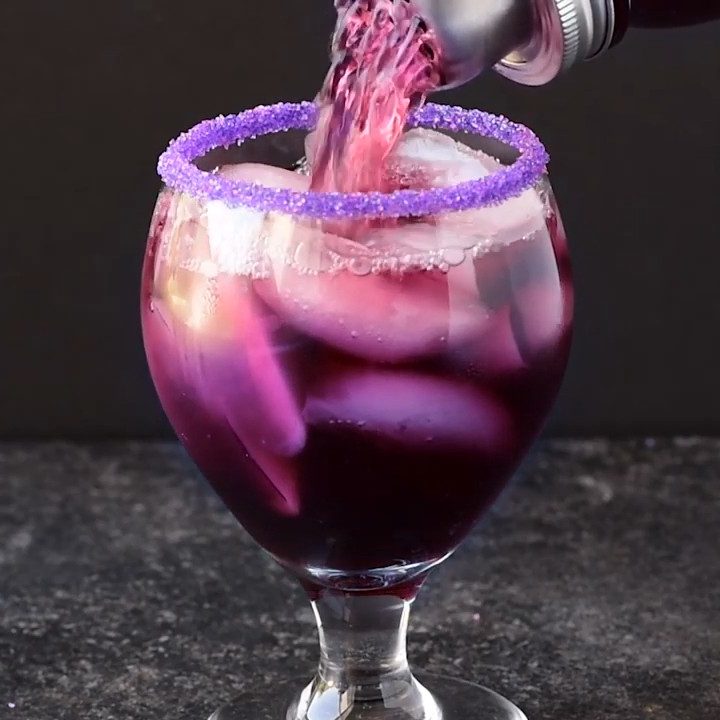
For an extra festive touch, rim the glasses with sugar. Dip the rim in orange juice, then in sugar. This adds a sweet sparkle to each sip.
Pairing with Food
Mulled wine pairs well with a variety of foods. Try serving it with holiday cookies, cheese platters, or roasted nuts. These snacks enhance the warm and spicy flavors of the wine.
For a more substantial pairing, consider serving it with hearty dishes like stews or roasts. The wine’s rich flavors complement savory meals. This creates a balanced and satisfying dining experience.
If you prefer something sweeter, pair the wine with chocolate desserts. The sweetness of the chocolate contrasts beautifully with the spices. This makes for a delightful end to any meal.
Temperature
Ensure the wine is served warm, not hot. This helps to fully appreciate the complex flavors. Overheating can dull the taste and make it less enjoyable.
If the wine cools too much, gently reheat it on the stove. Avoid using the microwave as it can heat unevenly. Consistent warmth is key to a perfect mulled wine experience.
Consider using a slow cooker to keep the wine at the right temperature during your event. This way, guests can enjoy a warm drink throughout the evening. It also frees you up to enjoy the festivities.
Frequently Asked Questions
Mulling spices add a warm, festive touch to wine, making it perfect for holidays and cozy nights. Here are some frequently asked questions to help you master the art of making mulled wine.
1. What type of wine is best for mulling?
When selecting wine for mulling, opt for a medium-bodied red wine like Merlot, Zinfandel, or Cabernet Sauvignon. These wines have enough body to hold up to the strong spices without being overpowering.
Avoid using expensive wines, as the mulling process masks the wine’s subtler flavors. Instead, choose a good, affordable option that you enjoy on its own.
2. How long should I simmer the wine with the spices?
To get the perfect flavor, simmer the wine with the spices for about 20 to 30 minutes. This allows enough time for the spices to infuse the wine without evaporating too much of the alcohol.
Make sure to keep the heat low and avoid boiling the wine, as this can make it taste bitter and reduce the alcohol content.
3. Can I use white wine to make mulled wine?
Absolutely, white wine can also be used to make mulled wine, offering a lighter and fruitier alternative. Choose a dry white wine like Sauvignon Blanc or Pinot Grigio for the best results.
Pairing it with spices like cinnamon, cloves, and star anise will create a delicious and aromatic blend that’s just as satisfying as its red counterpart.
4. Are there any non-alcoholic alternatives?
Yes, you can make a non-alcoholic version by substituting the wine with grape juice or apple cider. These bases work well with the same mulling spices and deliver a similar festive flavor.
This is a great option for hosting events where guests may prefer a non-alcoholic drink or for enjoying with family members of all ages.
5. How should I store leftover mulled wine?
Leftover mulled wine can be stored in an airtight container in the refrigerator for up to three days. When you’re ready to enjoy it again, gently reheat it on the stove over low heat.
Avoid microwaving, as it can heat unevenly and alter the flavor. Gently reheating on the stove ensures the flavors remain balanced and enjoyable.