Ever wondered why John Folse’s seafood gumbo is revered in culinary circles? Folse’s unique blend of ingredients and techniques has made his version of this classic dish a benchmark in Southern cuisine. His commitment to preserving Louisiana’s rich culinary heritage is evident in every flavorful bite.
John Folse’s seafood gumbo stands out due to its deep roots in Creole traditions and a meticulous selection of fresh, local ingredients. Folse incorporates a distinctive dark roux, which is a hallmark of authenticity in gumbo preparation. With over 25 years in the industry, his recipes continue to inspire chefs and food enthusiasts alike.
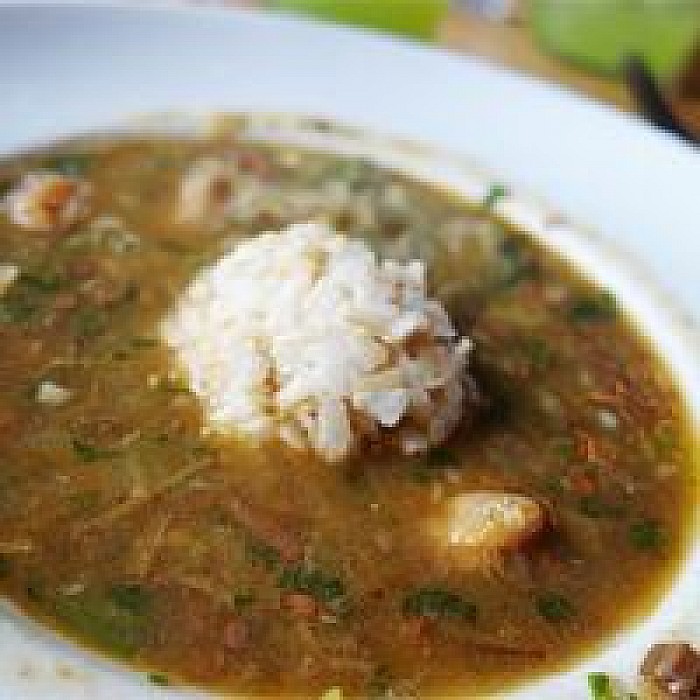
For an incomparable taste of Louisiana, John Folse’s seafood gumbo recipe stands out. Known for its rich flavors and authentic ingredients, this recipe is a staple in many kitchens. Discover the blend of fresh seafood, aromatic vegetables, and spices that make this gumbo truly exceptional.
Ingredients
John Folse’s seafood gumbo recipe has a distinct and delightful blend of ingredients. These components capture the essence of Louisiana’s rich culinary traditions. Below is a detailed list of the necessary ingredients to create this flavorful dish.
- 1 pound shrimp, peeled and deveined
- 1 pound crabmeat, picked over for shells
- 1 dozen oysters, shucked
- 2 cups onions, chopped
- 1 cup celery, chopped
- 1 cup green bell pepper, chopped
- 6 cups seafood stock
- ⅓ cup vegetable oil
- ⅓ cup all-purpose flour
- 3 cloves garlic, minced
- 1 cup tomatoes, diced
- 2 bay leaves
- 1 teaspoon thyme, dried
- ½ teaspoon black pepper
- Salt to taste
- 4 green onions, sliced
- ¼ cup fresh parsley, chopped
- Cooked rice, for serving
General Information
Understanding the basic details of John Folse’s seafood gumbo recipe can help in planning and preparation. This includes information on making challenges, time investment, and overall serving guidelines.
| Category | Details |
|---|---|
| Making Difficulty | Moderate |
| Preparation Time | 30 minutes |
| Cooking Time | 1 hour |
| Serving Size | 6-8 people |
| Meal Type | Main Course |
Instructions
Following the right steps is crucial to making John Folse’s seafood gumbo. These instructions make it easy to prepare this delicious dish. Each step is simple and straightforward for you to follow.
Step 1: Preparing the Roux
First, heat the vegetable oil in a large pot over medium heat. Slowly add the flour, constantly stirring to avoid lumps. Cook this mixture until it turns a dark brown, which gives the gumbo its rich flavor.
Be patient because this step might take around 20 to 30 minutes. Stir continuously to prevent burning. Once you achieve a dark brown roux, you are ready for the next step.
Step 2: Sautéing the Vegetables
With the roux ready, add the chopped onions, celery, and bell peppers. Cook these vegetables until they become soft and fragrant. This usually takes about 5 to 7 minutes.
Next, add the minced garlic and cook for another minute. The vegetables and garlic combine to create a flavorful base for your gumbo. They should be nice and tender before moving on.
Step 3: Adding the Seafood
Now it’s time to add the shrimp, crabmeat, and oysters. Stir them into the pot, making sure they are well-coated with the roux and vegetables. Let them cook for about 5 minutes.
The seafood will begin to change color and absorb the flavors. This step ensures every bite of gumbo is packed with delicious seafood goodness. Don’t worry if the seafood isn’t fully cooked yet, as it will finish in the simmering step.
Step 4: Adding Stock and Seasonings
Pour in the seafood stock gradually while stirring. Add the diced tomatoes, bay leaves, thyme, black pepper, and salt. These will enhance the gumbo’s flavor even further.
Bring the mixture to a boil, then reduce the heat and let it simmer for about 40 minutes. Stir occasionally to prevent sticking. This allows all the flavors to meld together.
Step 5: Final Touches and Serving
Finally, add the green onions and fresh parsley. Stir them in and let the gumbo simmer for an additional 10 minutes. These herbs add a fresh, vibrant touch to the dish.
Once done, serve the gumbo hot over cooked rice. Enjoy this rich, flavorful seafood gumbo with your loved ones. It’s a meal that’s sure to please everyone at the table.
Important Things to Keep in Mind
When making John Folse’s seafood gumbo, the quality of your ingredients is crucial. Fresh seafood will significantly enhance the flavor of your dish. Always opt for the freshest shrimp, crabmeat, and oysters available.
The roux is another key element. Achieving the perfect dark brown color requires patience and constant stirring. If you rush this step, your gumbo may lack depth in flavor.
Seasoning is vital to balancing flavors. Taste the gumbo at various stages and adjust the seasoning as needed. It’s better to add spices gradually than to risk overpowering the dish.
Letting the gumbo simmer allows the flavors to meld. Don’t skimp on the simmering time, which should be around 40 minutes. This step brings all the wonderful flavors together.
Lastly, serving is crucial for presentation and enjoyment. Serve the gumbo hot with a generous portion of cooked rice. Adding a sprinkle of fresh parsley or green onions can make the dish more visually appealing.
Serving and Enjoyment
Serving John Folse’s seafood gumbo is as important as preparing it. Ensure the gumbo is piping hot when served. This enhances the flavors and makes the dish more enjoyable.
Best Practices for Garnishing
Garnishing your gumbo can make it visually appealing. A sprinkle of fresh parsley or green onions adds a pop of color. It also provides a fresh taste contrast to the rich gumbo.
Consider adding a few lemon wedges on the side. This allows guests to add a touch of acidity if they prefer. It balances the flavors and adds a refreshing zing.
Complementary Side Dishes
Choosing the right side dishes can elevate your meal. Traditional options like cooked white rice are always a hit. The rice absorbs the gumbo’s rich broth, making each bite satisfying.
Another great side is cornbread. Its slightly sweet flavor pairs well with the savory gumbo. Serve it warm and buttery for the best experience.
Enjoying the Meal
Enjoying gumbo is often a communal experience. Serve it in large bowls to allow for generous portions. It’s a dish meant to be savored slowly.
Encourage guests to mix their rice into the gumbo. This ensures they get a bit of everything in each bite. It also allows the flavors to meld together beautifully.
Finally, don’t forget to have fun. Gumbo is a dish that’s meant to bring people together. Enjoy the rich flavors and the company of those around you.
Frequently Asked Questions
John Folse’s seafood gumbo recipe is a topic of great interest for culinary experts. Below are some common questions and answers that provide insight into the nuances of this celebrated dish. These will guide you in creating a delightful seafood gumbo that embodies Louisiana’s rich culinary traditions.
What makes John Folse’s gumbo unique compared to other recipes?
John Folse’s gumbo is unique due to its adherence to traditional Cajun and Creole cooking techniques. He uses a dark roux as the base, which gives the gumbo its deep, rich flavor. Additionally, his recipe calls for the freshest seafood available, ensuring that every bite is bursting with flavor.
Another distinguishing feature is the careful blend of seasonings Folse incorporates. By balancing spices like thyme, bay leaves, and black pepper, he achieves a harmonious yet complex flavor profile. This meticulous approach sets his gumbo apart from more simplified versions.
Can I substitute any ingredients without compromising the authenticity?
While some ingredients can be substituted, it’s important to retain the core elements to maintain authenticity. For instance, fresh seafood should not be replaced with frozen or canned options, as this would significantly alter the flavor and texture.
However, certain vegetables and seasonings can be adjusted based on personal preference or availability. Just be mindful not to replace key components like the roux, which is integral to the dish’s distinctive taste. Substitutions should be made thoughtfully to preserve the essence of the recipe.
What is the best way to achieve the perfect roux for the gumbo?
Achieving the perfect roux requires patience and consistent attention. Start by heating equal parts of oil and flour in a heavy-bottomed pot over medium heat. Stir continuously to prevent burning and ensure an even color development. The goal is to achieve a dark brown hue.
This process can take anywhere from 20 to 30 minutes. It’s crucial not to rush; a burnt roux will give your gumbo a bitter taste. The final color should resemble chocolate, signaling that the roux is ready to serve as the flavorful base for your gumbo.
What tips can you offer to enhance the flavor of the seafood gumbo?
To enhance the flavor, always use the freshest seafood you can find. Fresh shrimp, crabmeat, and oysters are essential for a rich taste. Additionally, making your own seafood stock from shrimp shells and fish bones can greatly elevate the dish.
Another tip is to simmer the gumbo gently. This allows the flavors to meld together, creating a more cohesive and delicious final product. Adding a dash of fresh lemon juice or hot sauce just before serving can also provide a bright, tangy finish.
How do you store and reheat seafood gumbo to maintain its quality?
Seafood gumbo can be stored in an airtight container in the refrigerator for up to three days. For longer storage, consider freezing the gumbo in portion-sized containers. When reheating, gently warm it on the stove over low to medium heat to preserve the seafood’s texture.
Avoid using the microwave as it can overcook the seafood, making it rubbery. Adding a splash of fresh stock or water during reheating can help rejuvenate the gumbo’s flavors. Always bring the gumbo to a simmer to ensure it is thoroughly heated before serving.
Gumbo Festival | A Taste of Louisiana with Chef John Folse \u0026 Company (1996)
Conclusion
John Folse’s seafood gumbo recipe remains a quintessential dish that captures the heart of Louisiana’s rich culinary heritage. With its meticulous blend of fresh seafood, aromatic vegetables, and spices, it offers a truly authentic gumbo experience. Following the right steps and maintaining the integrity of the ingredients are key to achieving this remarkable dish.
Whether you’re an experienced chef or a passionate home cook, this recipe invites you to delve into the traditions of Cajun and Creole cuisine. By paying attention to the details and savoring the preparation process, you can create a memorable meal that brings people together. Enjoy the rich, flavorful journey that John Folse’s seafood gumbo promises.