To make an effective and safe nasal wash, mix 1 teaspoon of non-iodized salt and 1/2 teaspoon of baking soda in 1 cup of distilled or boiled water (cooled). This simple solution can help clear nasal congestion and soothe your passages, providing relief naturally. Ensure to use clean and sterile equipment each time for best results.
You’ve probably heard that nasal congestion is more than just a nuisance—it’s a widespread concern that affects millions globally. The impact on daily life can be significant, making the search for effective remedies crucial. Homemade nasal washes offer a solution that is not only simple to create but also remarkably effective.
Historically, nasal washes have been used for hundreds of years, tracing back to ancient Ayurvedic practices. Nowadays, with a rise in over-the-counter treatments, the homemade saline solution remains a go-to for its safety and ease of use. A simple mix of non-iodized salt, baking soda, and lukewarm distilled water can be a game-changer, according to recent research studies.
Ingredients
To make a safe homemade nasal wash, you’ll need just a few simple ingredients. These items are easy to find and offer a natural way to help clear nasal congestion. Make sure to use the exact amounts for the best results.
- 1 teaspoon non-iodized salt
- 1/2 teaspoon baking soda
- 1 cup distilled or boiled water (cooled)
General Information
A homemade nasal wash can be a lifesaver for those suffering from nasal congestion. It is a simple and effective way to clear your sinuses. Let’s see some key details about making your nasal wash.
| Category | Details |
|---|---|
| Making Difficulty | Easy |
| Preparation Time | 5 minutes |
| Usage Time | 2-3 minutes |
| Serving Size | One use |
| Type | Personal care |
Instructions
Making a homemade nasal wash is easy and quick. Follow these steps to create a safe and effective solution. Each step ensures you get the best results for your nasal wash.
Step 1: Gather Your Ingredients
Before you start, make sure you have all the necessary ingredients. You will need non-iodized salt, baking soda, and distilled or boiled water. Having everything ready helps the process go smoothly.
It’s important to use non-iodized salt to avoid irritation in your nasal passages. Measure the right amount of each ingredient for the perfect mix.
Step 2: Prepare the Solution
Start by mixing 1 teaspoon of non-iodized salt and 1/2 teaspoon of baking soda in a clean container. Use a spoon to stir them until they are well combined. Clean containers ensure that your solution is free from any contaminants.
Next, add 1 cup of distilled or boiled water that has been cooled. Stir the mixture until all the salt and baking soda have completely dissolved.
Step 3: Use the Nasal Wash
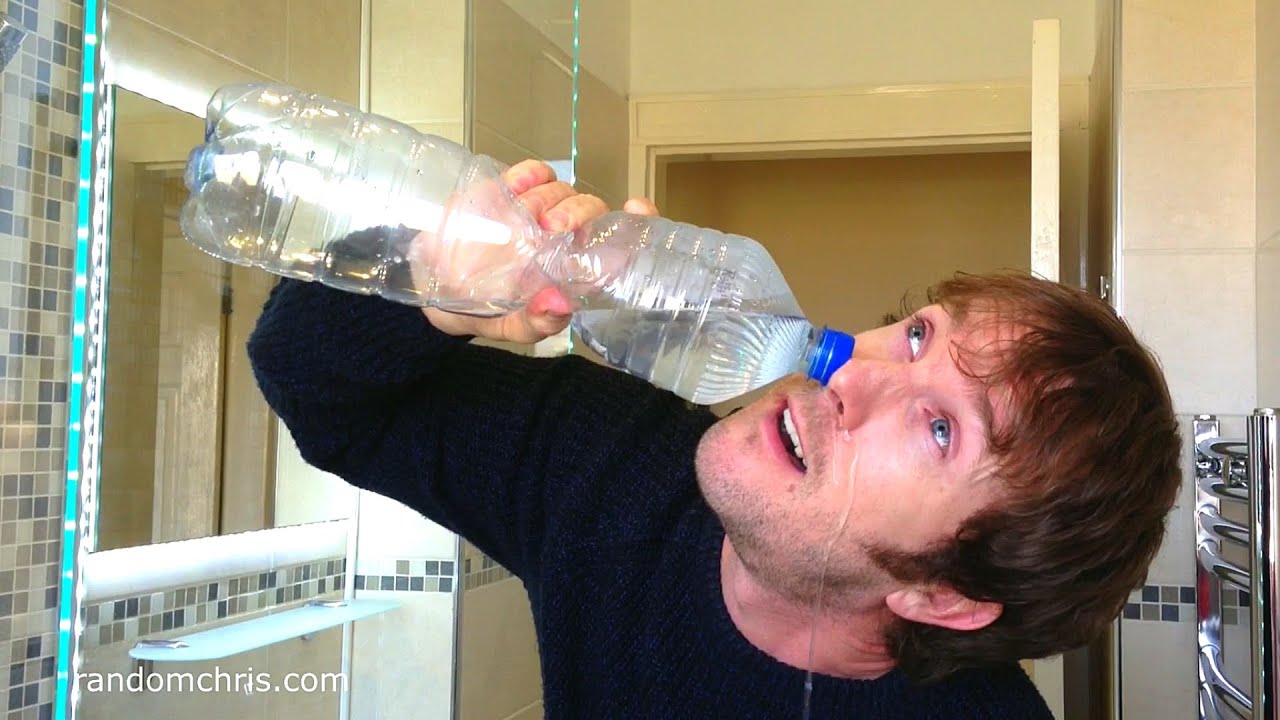
Now, pour the solution into a nasal wash bottle or a Neti pot. Tilt your head over a sink and gently insert the spout into one nostril. Make sure to keep your mouth open while you do this.
Squeeze or pour the solution into your nostril, allowing it to flow through your nasal passages and out the other nostril. Repeat on the opposite side for effective cleaning.
Step 4: Clean Up
After using the nasal wash, clean your equipment thoroughly. Use warm soapy water and rinse well. This helps keep your tools clean and ready for the next use.
It is also a good practice to let your equipment air dry completely before storing. Clean equipment ensures the best hygiene for your next nasal wash.
Important Things to Keep in Mind
When making a homemade nasal wash, it’s crucial to use clean, sterile equipment. **Dirty tools can introduce bacteria** and worsen your condition. Always wash items in hot, soapy water before and after use.
Next, the water you use needs special attention. **Only use distilled or previously boiled water** that has cooled. Tap water may contain harmful germs that can cause infections.
It’s also important to follow the recipe exactly. Using too much salt or baking soda can irritate your nasal passages. **Stick to the recommended measurements** for safe and effective use.
Be gentle when using the nasal wash. Squeezing too hard or fast can cause discomfort or even damage. **Take your time and let the solution flow naturally** through your nasal passages.
If you have persistent issues, consult a healthcare provider. **A nasal wash is great for temporary relief,** but it’s not a cure for severe conditions. Your doct
Usage Frequency and Duration
Understanding how often to use a nasal wash is crucial for its effectiveness. **For most people, using a nasal wash once a day** is sufficient. However, during allergy season or a cold, you may need it more frequently.
It’s important not to overuse a nasal wash. **Excessive use can dry out your nasal passages**, leading to discomfort. Stick to the recommended usage to avoid any issues.
When to Use a Nasal Wash
A nasal wash is most effective when used at specific times. **Morning usage can help clear out mucus** that has built up overnight. Evening use can clear allergens from the day.
Some people find relief using nasal washes before bed. **This can help you breathe easier** and sleep better. Choose a time that fits best into your daily routine.
Using it before exercise is another good option. **It can help you breathe more freely** during your workout. Make sure to use it at least 30 minutes before starting any physical activity.
Monitoring Your Symptoms
Keep track of how your body responds to the nasal wash. **If you notice any irritation or dryness**, you may need to reduce the frequency. Pay attention to how you feel after each use.
If your symptoms persist or worsen, consult a healthcare provider. **A nasal wash is a helpful tool**, but it’s not a substitute for medical advice. Your doctor can suggest the best frequency for your needs.
It’s also a good idea to note any changes in your symptoms. **This information can help your doctor** understand your condition better. Keeping a symptom diary can be very useful.
Adjusting Usage Based on Season
Seasonal changes can affect how often you need a nasal wash. **During spring and fall, allergies can be more severe**. You might need to use the nasal wash more frequently during these times.
In winter, the air tends to be drier. **This can cause your nasal passages to dry out** more quickly. Using a nasal wash can help maintain moisture.
Summer can bring different challenges. **Dust and pollen levels are often higher**. Adjust your usage based on the environmental conditions.
Frequently Asked Questions
Homemade nasal washes can offer significant relief from nasal congestion and irritation. Here are some frequently asked questions to help you understand better how to make and use them effectively.
How often should I use a homemade nasal wash?
Generally, using a nasal wash once a day is sufficient for most people. However, during allergy seasons or when you’re suffering from a cold, you might find it beneficial to use it up to twice a day.
It’s important not to overuse the nasal wash, as excessive use can dry out your nasal passages and lead to irritation. Stick to the recommended usage and monitor how your body responds.
Can I use regular table salt in my nasal wash?
No, it is recommended to use non-iodized salt for making your nasal wash. Regular table salt often contains additives like iodine and anti-caking agents, which can irritate your nasal passages.
Using non-iodized salt ensures that the solution remains gentle and effective. It’s a small but crucial detail to consider for the efficacy of the wash.
What type of water is best for making a nasal wash?
Always use distilled, sterile, or previously boiled and cooled water to make your nasal wash. Tap water may contain harmful microorganisms that can lead to infections.
Using safe water is important to avoid any adverse effects and ensure that the nasal wash provides relief rather than causing harm.
Is there an ideal time of day to use a nasal wash?
Many people find it beneficial to use a nasal wash in the morning to clear out the mucus and allergens that have accumulated overnight. This can help start the day with clearer nasal passages.
Using it before bed can also be helpful, especially for those who suffer from nighttime nasal congestion. It can improve breathing and lead to better sleep quality.
Can children use a homemade nasal wash?
Yes, children can use a homemade nasal wash, but it is important to use a child-friendly device and method. Ensure that the solution is mild and the process is gentle to avoid causing any stress or discomfort.
Always consult with a pediatrician before starting, to ensure it’s appropriate for the child’s specific health needs. Supervision during the use of a nasal wash for children is also highly recommended.
How to Make a Nasal Saline Solution
Conclusion
Creating a homemade nasal wash is a simple and effective method to alleviate nasal congestion and irritation. With just a few ingredients like non-iodized salt, baking soda, and distilled water, you can prepare a solution tailored to your needs. Following the proper steps ensures safety and effectiveness.
Regular use, particularly during allergy seasons, can make a significant difference in your daily comfort. Remember to consult with a healthcare provider if you have persistent symptoms or specific health conditions. This natural remedy offers a practical solution for maintaining clear and healthy nasal passages.