For creating the perfect crust for lemon bars, you’ll need 1 cup melted unsalted butter, 2 cups all-purpose flour, 1/2 cup granulated sugar, and 1/4 teaspoon salt. Mix the dry ingredients, incorporate the butter, and press the dough into a prepared pan. Pre-bake at 350°F (175°C) until lightly golden for a firm and delicious base.
Lemon bars are beloved for their perfect balance of tartness and sweetness, but the true hero is often the crust. Creating the ideal foundation for this classic dessert is an art form, requiring the right blend of ingredients and technique to achieve that melt-in-your-mouth texture. When done correctly, the crust should be just firm enough to hold up the zesty filling without overpowering it.
The history of lemon bars is fascinating; dating back to the 1960s when they gained popularity in America. The crust typically combines elements of shortbread, using flour, butter, and a touch of sugar for sweetness. A fun fact: precise measurements and the right temperature are crucial in achieving the dough’s perfect consistency. This scientific approach ensures that each bite remains a delightful experience.
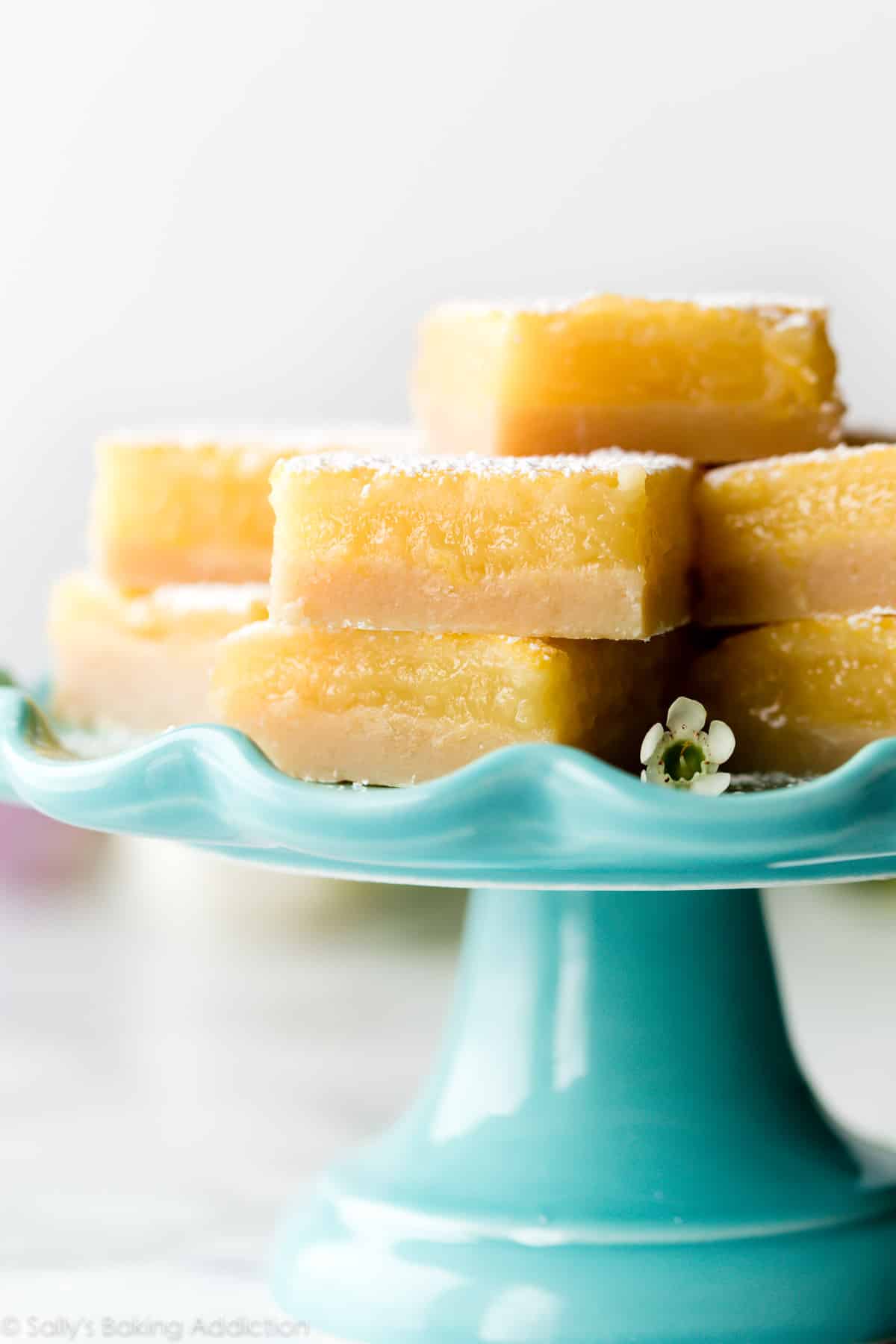
Ingredients
The key to making delicious lemon bars is having the right ingredients for the crust. This buttery foundation sets the stage for the tangy lemon topping. Here’s what you’ll need for a perfect crust:
- 1 cup (240 g) unsalted butter, melted
- 2 cups (250 g) all-purpose flour
- 1/2 cup (100 g) granulated sugar
- 1/4 teaspoon salt
General Information
Making lemon bars can feel like a fun baking project. Knowing the basic details before you start helps a lot. Here is some general information to guide you:
| Category | Details |
|---|---|
| Making Difficulty | Moderate |
| Preparation Time | 15 minutes |
| Cooking Time | 25 minutes |
| Chilling Time | 1 hour |
| Serving Size | 12 bars |
Instructions
Making a great crust for lemon bars involves a few important steps. By following these instructions, you’ll ensure that your crust turns out perfect every time. Let’s break it down step by step:
Step 1: Mix the Dry Ingredients
First, gather your flour, sugar, and salt. It’s important to measure each ingredient accurately to get the right texture. Place these ingredients into a medium-sized mixing bowl.
Gently stir the dry mix with a whisk until everything is well combined. This makes sure that the sugar and salt are evenly distributed throughout the flour. Now, set this bowl aside for the next step.
Step 2: Incorporate the Butter
Melt the unsalted butter and let it cool slightly. Slowly pour the melted butter into the bowl with the dry ingredients. Use a spoon or your hands to mix them together until a crumbly dough forms.
Be careful not to overmix, as the dough should hold together when pressed but still be crumbly. The butter needs to be evenly spread throughout the mixture, ensuring a consistent texture for the crust.
Step 3: Press the Dough into the Pan
Prepare your baking pan by lining it with parchment paper. This will make it easier to remove the lemon bars after baking. Pour the dough into the prepared pan.
Use your hands or the back of a spoon to press the dough firmly and evenly across the bottom of the pan. Ensure that the dough is compact and smooth, with no gaps or cracks.
Step 4: Pre-Bake the Crust
Preheat your oven to 350°F (175°C). Place the pan with the dough into the preheated oven on the middle rack. Bake for about 15-20 minutes, or until the crust is lightly golden.
Keep an eye on the crust to prevent it from over-baking. The goal is to achieve a firm, slightly golden base that can hold the lemon filling nicely.
Step 5: Cool the Crust
Once the crust is baked, remove it from the oven and let it cool on a wire rack. Cooling helps the crust become more structured and easier to handle.
Allow the crust to cool completely before adding the lemon filling. This ensures the filling doesn’t soak into the crust, keeping each layer distinct and delicious.
Important Things to Keep in Mind
When making the crust for lemon bars, accurate measuring of ingredients is crucial. Using too much or too little flour, butter, or sugar can drastically change the texture. Always use proper measuring tools to ensure precision.
Temperature plays a key role in baking the crust. The oven should be preheated to 350°F (175°C), and the crust should bake until it’s lightly golden. Monitor the baking time closely to avoid over-baking.
Consistency of the dough is another vital factor. The dough should be crumbly yet hold together when pressed. Overmixing can lead to a dense crust.
To press the crust evenly in the pan, use your hands or a flat-bottomed measuring cup. Make sure there are no gaps or cracks in the dough. A smooth, even layer will bake more uniformly.
Chilling the crust after baking is essential. Allow the crust to cool completely before adding the lemon filling. This helps maintain a balanced structure between the crust and filling.
Lastly, lining the baking pan with parchment paper aids in easier removal of the lemon bars. It ensures the bars don’t stick to the pan and makes cutting and serving neat.
Perfect Pairing
Lemon bars are delightful on their own, but pairing them with the right toppings and sides can elevate the experience. Consider adding a dollop of freshly whipped cream on top. The creaminess complements the tartness of the lemon filling.
Fresh berries are also a fantastic addition. Strawberries, blueberries, or raspberries add a burst of color and a contrasting flavor. They also make the presentation more appealing.
Toppings for Extra Flavor
For those who love a bit of crunch, sprinkling crushed nuts like almonds or pistachios can add a nice texture. It provides a satisfying contrast to the smooth filling and buttery crust. Toast the nuts for an extra layer of flavor.
Another great topping is a dusting of powdered sugar. It adds a touch of sweetness and a beautiful finish to the bars. Use a fine sieve to sprinkle it evenly over the top.
If you enjoy a bit of zest, consider adding some lemon zest over the bars. It enhances the citrus flavor and adds a pop of color. Just a little bit goes a long way.
Best Occasions to Serve Lemon Bars
Lemon bars are perfect for various occasions. They are a hit at summer picnics and outdoor gatherings. Their refreshing taste is ideal for warm weather.
They also make a great dessert for holiday parties. Their bright flavor can balance out richer, heavier dishes. Serve them after a hearty meal to cleanse the palate.
Additionally, lemon bars are excellent for tea parties and casual get-togethers. They are easy to cut into small squares and share with friends. Their vibrant flavor pairs well with a cup of tea or coffee.
Frequently Asked Questions
Creating the perfect crust for lemon bars involves careful attention to ingredients, technique, and timing. Below are answers to some frequently asked questions that can help you achieve the best results.
How do I prevent my crust from becoming too hard?
The key to preventing a hard crust is not overbaking it. Keep an eye on the baking time and remove the crust from the oven as soon as it turns lightly golden. Baking it too long can cause it to harden excessively.
Also, make sure to use the right ratio of ingredients, particularly the amount of butter. A proper mix will result in a tender and slightly crumbly texture. Avoid overmixing the dough as well, which can also make the crust tough.
Can I use margarine instead of butter for the crust?
While you can use margarine as a substitute, it may not yield the same flavor and texture as butter. Butter provides a rich taste and helps achieve that perfect, slightly crumbly texture.
Margarine has a higher water content, which can affect the dough’s consistency. If you choose to use margarine, you may need to adjust the quantities to get the right balance.
What type of flour is best for lemon bar crust?
All-purpose flour is typically recommended for lemon bar crust. It has the right amount of protein to give structure without making the crust too dense.
If you want a lighter texture, you can experiment with a mix of all-purpose flour and cake flour. However, always make sure to measure accurately to maintain the crust’s intended texture.
Why is my crust falling apart?
If your crust is falling apart, it could be due to not enough butter or incorrect mixing. Butter is essential for binding the ingredients together. Ensure you mix until the dough holds together when pressed.
Another common issue could be overbaking. If the crust is baked for too long, it can become too crumbly. Make sure to bake until just lightly golden for the best results.
Is chilling the dough necessary before baking?
Chilling the dough before baking is not strictly necessary but can enhance the crust’s texture. Chilling helps to solidify the butter in the dough, leading to a firmer and more structured crust.
If you have time, chill the dough for about 30 minutes before pressing it into the pan and baking. It can make a noticeable difference in the final product’s texture and flavor.
Lemon Bars that hit different | The Full Scoop
Conclusion
Creating the perfect crust for lemon bars requires careful attention to detail and a good understanding of ingredients and techniques. By following the steps and tips outlined, you can achieve a deliciously firm and flavorful crust. Each bite will beautifully balance the tangy lemon filling.
Mastering the crust is an art that elevates your lemon bars from good to exceptional. Whether you enjoy them topped with fresh berries or a simple dusting of powdered sugar, these bars are sure to delight. Keep experimenting and tweaking the recipe to find your perfect version.