Serving and Presentation Tips
How you serve and present your crab pasta can make a substantial difference. A well-presented dish not only looks appealing but also enhances the dining experience. Here are some tips to help you present your dish like a pro.
Use the Right Dishware
Choose a large, shallow pasta bowl for serving. This allows the sauce to pool beautifully around the pasta. It also makes it easier for your guests to twirl the pasta onto their forks.
White plates or bowls work best as they highlight the colors of the dish. They provide a clean canvas that makes the ingredients pop. Avoid overly patterned dishes that can distract from the food.
If you have multiple courses, smaller portions in smaller bowls can help control serving sizes. This ensures your guests enjoy each course without feeling too full. It also keeps the presentation neat and tidy.
Garnish Thoughtfully
Garnishing adds a final touch of elegance. Fresh herbs like basil or parsley not only add color but also a fresh aroma. Sprinkle them just before serving to keep them vibrant.
Grated Parmesan cheese can be sprinkled on top for a rich finish. A drizzle of olive oil can add a glossy sheen to the dish. These small touches can elevate the look and taste of your pasta.
Consider
Crab pasta sauce is a culinary delight that offers a decadent twist on traditional Italian fare. Interestingly, quality crab meat can transform an ordinary dish into an exquisite gourmet experience, elevating each bite with its succulent, sweet flavours. The rich combination of crab and pasta not only tantalizes the taste buds but also provides a nutritious, ocean-inspired meal.
Originally popularized along coastal towns, crab pasta has since found its place in upscale restaurants worldwide. The dish combines fresh crab meat with aromatic herbs, creamy sauces, and sometimes a hint of spice. It’s noteworthy that a well-prepared crab pasta sauce can enhance the dish’s overall complexity, offering both a refreshing and sophisticated dining experience to seafood enthusiasts.
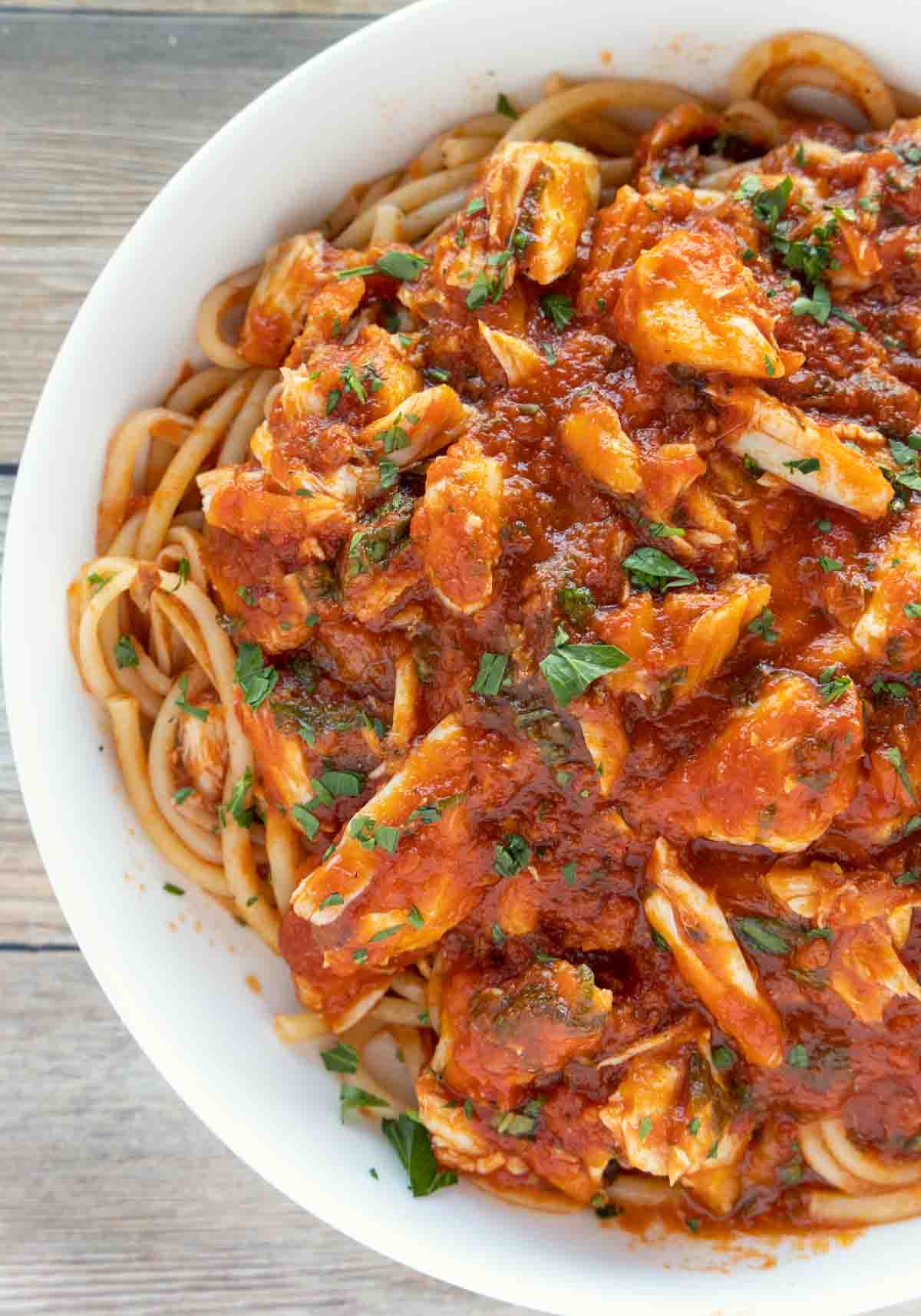
Ingredients
To make a delicious crab pasta sauce, you need a few fresh and flavorful ingredients. This list includes everything necessary to whip up a delightful meal that will impress anyone. Make sure to gather all these items before you start cooking.
- 1 pound of fresh crab meat
- 2 tablespoons of olive oil
- 4 garlic cloves, minced
- 1 cup of cherry tomatoes, halved
- 1 cup of heavy cream
- 1 bunch of fresh basil, chopped
- ½ cup of grated Parmesan cheese
- Salt and pepper to taste
- 1 pound of your choice of pasta
General Information
Understanding the basic details of making crab pasta sauce can help prepare you for a smoother cooking experience. This table provides essential information like the difficulty level, time needed for preparation and cooking, and more.
| Category | Details |
|---|---|
| Making Difficulty | Moderate |
| Preparation Time | 20 minutes |
| Cooking Time | 30 minutes |
| Serving Size | 4 people |
| Meal Type | Main Course |
Instructions
Follow these step-by-step instructions to make a flavorful crab pasta sauce. Each step is designed to help you create a perfect meal. Take your time and enjoy the process!
Step 1: Cook the Pasta
Begin by boiling a large pot of water. Add a pinch of salt to enhance the flavor of the pasta. Once the water is boiling, add your choice of pasta and cook according to the package instructions.
Stir occasionally to prevent sticking. Drain the pasta once it is al dente, which means it should be firm to the bite. Set it aside while you prepare the sauce.
Step 2: Sauté the Garlic
Heat olive oil in a large pan over medium heat. Add the minced garlic cloves. Cook until the garlic turns golden brown and releases its aroma.
Be careful not to burn the garlic, as it can become bitter. This step is crucial for infusing the oil with a rich, garlic flavor.
Step 3: Add the Cherry Tomatoes
Add the cherry tomatoes to the pan with the garlic. Stir to coat them in the flavorful oil. Cook until the tomatoes start to soften and release their juices.
This will create a nice base for the sauce. If you like a bit of spice, you can also add a pinch of red pepper flakes at this stage.
Step 4: Incorporate the Crab Meat
Once the tomatoes are soft, gently add the crab meat to the pan. Stir carefully to mix the crab with the tomatoes and garlic. Cook for a few minutes, allowing the flavors to meld together.
Ensure the crab meat is heated thoroughly. Avoid overcooking, as crab can become tough if cooked for too long.
Step 5: Mix in the Cream and Seasonings
Pour the heavy cream into the pan with the crab and tomatoes. Stir well to combine. Let the mixture simmer for a few minutes until the sauce thickens slightly.
Season with salt and pepper according to your taste. Add the chopped fresh basil to brighten up the dish.
Step 6: Combine the Pasta with the Sauce
Add the drained pasta to the pan with the sauce. Toss to coat the pasta evenly. Ensure that every strand of pasta is well covered with the rich crab sauce.
Sprinkle the grated Parmesan cheese on top. Serve hot and enjoy your delicious crab pasta!
Important Things to Keep in Mind
When preparing crab pasta sauce, remember to choose fresh, high-quality crab meat. Fresh crab offers the best flavor and texture. Canned crab can be used in a pinch, but be sure to drain and rinse it well.
Cook your pasta to al dente to ensure it holds up well in the sauce. Overcooked pasta can become mushy when mixed with the creamy sauce. Taste the pasta a minute before the package’s suggested cooking time to check for doneness.
Balancing flavors is crucial in this dish. The sweetness of the crab should complement the acidity of the tomatoes and the creaminess of the sauce. Adjust the seasoning gradually, tasting as you go, to achieve the perfect balance.
Don’t rush the cooking process. Allow each ingredient to fully develop its flavor. Sauté the garlic slowly, let the tomatoes simmer, and ensure the cream has time to meld with the other ingredients.
If using dried herbs, add them early in the cooking process to release their flavors. Fresh herbs, like basil, should be added at the end to maintain their vibrant taste and color. Garnishing with freshly chopped herbs can elevate the overall dish.
Finally, don’t forget presentation. Plating your dish beautifully can enhance the dining experience. Use a deep pasta bowl and garnish with extra Parmesan and a sprig of basil for a professional touch.
Serving and Presentation Tips
How you serve and present your crab pasta can make a big difference. A well-presented dish not only looks appealing but also enhances the dining experience. Here are some tips to help you present your dish like a pro.
Use the Right Dishware
Choose a large, shallow pasta bowl for serving. This allows the sauce to pool beautifully around the pasta. It also makes it easier for your guests to twirl the pasta onto their forks.
White plates or bowls work best as they highlight the colors of the dish. They provide a clean canvas that makes the ingredients pop. Avoid overly patterned dishes that can distract from the food.
If you have multiple courses, smaller portions in smaller bowls can help control serving sizes. This ensures your guests enjoy each course without feeling too full. It also keeps the presentation neat and tidy.
Garnish Thoughtfully
Garnishing adds a final touch of elegance. Fresh herbs like basil or parsley not only add color but also a fresh aroma. Sprinkle them just before serving to keep them vibrant.
Grated Parmesan cheese can be sprinkled on top for a rich finish. A drizzle of olive oil can add a glossy sheen to the dish. These small touches can elevate the look and taste of your pasta.
Consider adding a lemon wedge on the side. It adds a splash of color and allows guests to add a hint of citrus. This can brighten the flavors of the crab and tomatoes.
Accompaniments
Serve your crab pasta with a side of garlic bread. The crunch complements the creamy pasta nicely. It also provides a tool for scooping up any extra sauce.
A simple green salad can balance the richness of the pasta. Use fresh, crisp vegetables and a light vinaigrette. This adds a refreshing contrast to the meal.
Wine pairings can enhance the dining experience. A chilled white wine like Chardonnay pairs well with crab pasta. Its crispness complements the creamy sauce beautifully.
Frequently Asked Questions
Here are some common questions and answers about preparing a crab pasta sauce. These insights can help you create a delicious and impressive dish. Each response provides useful and detailed information for your culinary journey.
What type of crab meat is best for pasta sauce?
Fresh or high-quality canned crab meat is ideal for making a flavorful crab pasta sauce. Fresh crab meat offers the best texture and flavor, ensuring an authentic and rich taste. If using canned crab, be sure to choose a brand that offers lump or jumbo lump crab meat for the best results.
In addition, make sure to drain and rinse canned crab meat thoroughly to remove any excess liquid or preservatives. This will help maintain the integrity and taste of your sauce. Many chefs prefer options like Dungeness or Blue crab for their sweet and delicate flavor profiles.
Can I make a crab pasta sauce dairy-free?
Yes, it is possible to make a dairy-free crab pasta sauce by substituting the heavy cream with non-dairy alternatives. Coconut milk or almond milk can be excellent substitutes, providing a creamy consistency without dairy. Opt for unsweetened and unflavored versions to avoid altering the taste of your sauce.
Another option is to use a blend of non-dairy milk and a thickening agent, such as cornstarch or arrowroot powder. This will help achieve the desired thickness and creaminess. Remember to adjust the seasoning, as these substitutes may alter the flavor slightly.
How can I enhance the flavor of my crab pasta sauce?
To enhance the flavor of your crab pasta sauce, focus on using fresh ingredients and layering flavors. Aromatic vegetables like garlic, shallots, and herbs such as basil or parsley can add depth to your sauce. Sautéing garlic and shallots in olive oil before adding other ingredients can impart a rich, savory flavor.
Incorporating a splash of white wine or lemon juice can also elevate the dish, adding acidity and brightness. Don’t forget to season with salt and freshly ground black pepper. Taste the sauce as you cook to ensure the flavors are well-balanced.
What is the best way to reheat crab pasta sauce?
Reheating crab pasta sauce requires a gentle approach to maintain the texture of both the crab meat and the sauce. The best method is to reheat it slowly on the stovetop over low heat. Stir occasionally to ensure even heating and prevent sticking.
If the sauce looks too thick, add a splash of water or broth to loosen it up. Avoid reheating the sauce in a microwave, as it can lead to uneven heating and possibly overcooking the delicate crab meat. Gentle reheating preserves the quality and flavor of the dish.
Can I freeze crab pasta sauce?
Yes, you can freeze crab pasta sauce, although it may affect the texture slightly. To freeze, let the sauce cool completely before transferring it to an airtight container or a freezer-safe bag. Label the container with the date to keep track of its freshness.
When ready to use, thaw the sauce in the refrigerator overnight. Reheat it gently on the stovetop, and add a bit of broth or water if necessary to restore its original consistency. Freezing can be a convenient way to enjoy your crab pasta sauce at a later time without sacrificing too much flavor or quality.
How to Make Crab Sauce
Conclusion
Creating a delicious crab pasta sauce requires attention to detail and the use of high-quality ingredients. By following the steps and tips provided, you can master this elegant dish and impress your guests. The balance of flavors and proper presentation are key to enhancing your culinary creation.
Whether you are preparing a meal for a special occasion or simply indulging in a gourmet treat, this recipe offers a perfect blend of taste and sophistication. Keep experimenting with variations and remember that the true essence of cooking lies in enjoying the process and savoring the end result. Bon appétit!