Flavor Variations and Pairings
Experimenting with different rubs can take your deep-fried turkey to new culinary heights. Adding a mix of spices can create unique flavors. Here are some exciting variations to try.
Spice Rub Variations
For a smoky flavor, add smoked paprika and chipotle powder to your rub. This combination provides a rich, earthy taste that complements the turkey well. You might also try adding a bit of cumin for an extra kick.
If you enjoy a hint of sweetness, incorporate brown sugar and cinnamon into your rub. This mix balances the savory elements with a touch of sweetness. It pairs wonderfully with side dishes like sweet potatoes.
Lovers of heat can experiment with cayenne pepper and crushed red pepper flakes. These spices will give your turkey a spicy edge. Adjust the amounts based on your heat tolerance.
Recommended Pairings
Deep-fried turkey pairs well with a variety of sides and sauces. Mashed potatoes and gravy are classic choices that enhance the meal’s richness. They provide a comforting, hearty addition to your plate.
Cranberry sauce offers a tart contrast to the savory turkey. The sweetness and acidity of the cranberries cut through the richness of the fried meat. This pairing is a holiday favorite for many.
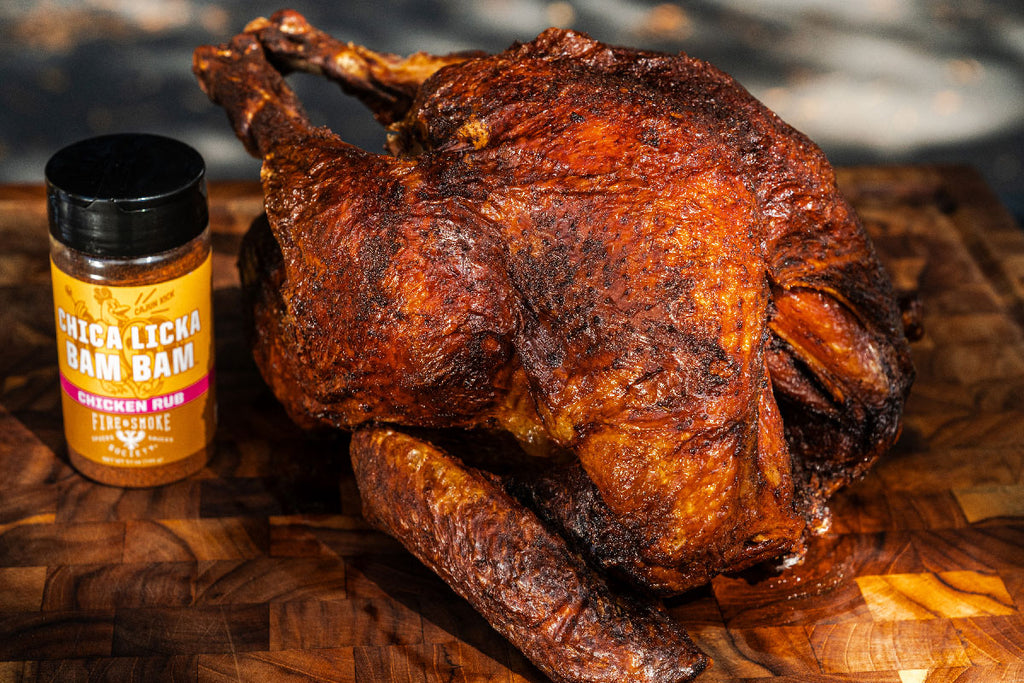
Deep-fried turkey has rapidly grown in popularity due to its succulent taste and crispy texture, but the right rub can elevate the dish to extraordinary levels. A well-crafted rub doesn’t just flavor the skin; it infuses the entire bird with aromatic, savory goodness. This culinary technique transforms a simple turkey into a gourmet feast.
The origins of deep frying turkey stem from Cajun traditions, where bold flavors reign supreme. A robust rub often features a mix of paprika, garlic powder, cayenne, and thyme. This harmonious blend can reduce prep time while delivering consistently delicious results, making it a favorite among professionals.
Ingredients
Creating the perfect deep-fried turkey starts with a well-balanced rub. The ingredients below will bring out the best flavors in your turkey. Make sure to measure each item carefully for consistent results.
- ¼ cup smoked paprika
- 2 tablespoons garlic powder
- 1 tablespoon cayenne pepper
- 1 tablespoon dried thyme
- 2 tablespoons brown sugar
- 3 tablespoons salt
- 1 tablespoon black pepper
General Information
This table provides important details about making a deep-fried turkey. It includes information on preparation and cooking time, difficulty level, and serving size. This will help you plan and cook more efficiently.
| Category | Details |
|---|---|
| Making Difficulty | Moderate |
| Preparation Time | 30 minutes |
| Cooking Time | 60 minutes |
| Serving Size | 10-12 people |
| Meal Type | Main Course |
Instructions
Follow these steps to prepare a mouth-watering deep-fried turkey. Make sure to read each step thoroughly before starting. Safety and precision are key to achieving the best results.
Step 1: Prepare the Turkey
First, make sure your turkey is completely thawed and dry. Any moisture on the turkey can cause dangerous splatters when frying. Pat the turkey dry with paper towels inside and out to ensure it’s ready for the rub.
Next, place the turkey on a large platter or baking sheet. This will catch any excess rub and make it easier to move the bird around. Have your rub ingredients measured and mixed in a bowl, ready to apply.
Step 2: Apply the Rub
Generously coat the turkey with the rub mixture. Make sure to get it into all the nooks and crannies, including under the skin if possible. The more even the rub, the better the flavor will be.
Let the turkey sit with the rub for at least 2 hours. If you can, overnight is even better. This resting time lets the flavors soak into the meat, making it tastier.
Step 3: Heat the Oil
Fill your deep fryer with oil up to the recommended level. Make sure to use a high smoke point oil like peanut oil. Heat the oil to about 350 degrees Fahrenheit (175 degrees Celsius).
While the oil is heating, ensure your frying area is safe. Keep a fire extinguisher nearby and a clear area around the fryer. Never fry indoors or on a wooden deck.
Step 4: Fry the Turkey
When the oil is ready, slowly lower the turkey into the fryer. Use a frying basket or a sturdy hook to keep your hands safe from splashes. Fry the turkey for about 3 to 4 minutes per pound.
Monitor the temperature of the oil and adjust it as needed. Ensure that the turkey is fully submerged and maintain a constant temperature. This helps cook the turkey evenly.
Step 5: Rest and Carve
Once the turkey is done, carefully remove it from the fryer. Let it rest on a wire rack or a paper towel-lined tray to drain excess oil. Resting also allows the juices to redistribute for juicy meat.
Finally, carve the turkey and serve it hot. Enjoy your deliciously seasoned, crispy, deep-fried turkey with your favorite sides. Your guests will be impressed with the flavorful, juicy dish!
Important Things to Keep in Mind
When deep frying a turkey, safety is paramount. **Always use a fryer outdoors** on a flat, non-flammable surface. Keep a fire extinguisher nearby for emergencies.
Make sure the turkey is completely thawed and dry before frying. **Water and oil don’t mix**, and any moisture can cause dangerous splatters. Pat the turkey thoroughly with paper towels.
Avoid overfilling the fryer with oil. The turkey will displace some oil, so it’s essential to measure carefully. Use a table to ensure correct oil levels.
| Turkey Weight | Oil Amount |
|---|---|
| 10 pounds | 4 gallons |
| 12 pounds | 4.5 gallons |
| 14 pounds | 5 gallons |
**Monitor the oil temperature** closely. Use a thermometer to keep the oil at a consistent 350 degrees Fahrenheit (175 degrees Celsius). Fluctuations can affect the turkey’s cooking process.
Finally, let the turkey rest after frying. This step is crucial for retaining juices and flavor. Allow the turkey to rest for at least 15-20 minutes before carving.
Flavor Variations and Pairings
Experimenting with different rubs can take your deep-fried turkey to new culinary heights. Adding a mix of spices can create unique flavors. **Here are some exciting variations to try**.
Spice Rub Variations
For a smoky flavor, add smoked paprika and chipotle powder to your rub. This combination provides a rich, earthy taste that complements the turkey well. You might also try adding a bit of cumin for an extra kick.
If you enjoy a hint of sweetness, incorporate brown sugar and cinnamon into your rub. This mix balances the savory elements with a touch of sweetness. It pairs wonderfully with side dishes like sweet potatoes.
Lovers of heat can experiment with cayenne pepper and crushed red pepper flakes. These spices will give your turkey a spicy edge. Adjust the amounts based on your heat tolerance.
Recommended Pairings
Deep-fried turkey pairs well with a variety of sides and sauces. **Mashed potatoes and gravy** are classic choices that enhance the meal’s richness. They provide a comforting, hearty addition to your plate.
Cranberry sauce offers a tart contrast to the savory turkey. The sweetness and acidity of the cranberries cut through the richness of the fried meat. This pairing is a holiday favorite for many.
For a fresh touch, serve your turkey with a green salad or roasted vegetables. These lighter options balance the meal and add a nutritious element. They also bring vibrant colors to your table setting.
Frequently Asked Questions
Here are some common questions and detailed answers about making the perfect deep-fried turkey. This information will help you improve your technique and results. Let’s dive into the details.
What type of oil is best for deep frying a turkey?
The best oil for deep-frying a turkey is one with a high smoke point, such as peanut oil. This oil can handle the high temperatures needed for frying without breaking down or becoming hazardous. Peanut oil also adds a subtle nutty flavor that complements the turkey.
Other options include canola oil or corn oil, which also have high smoke points. While these oils are neutral in flavor, they work effectively in providing the crispy texture and juicy interiors that are desired when deep frying a turkey. Always ensure the oil is fresh and properly filtered for the best results.
How can I make my turkey’s skin extra crispy?
To achieve extra crispy skin, make sure the turkey is completely dry before applying the rub and frying. Moisture on the skin will create steam, which can hinder the crisping process. Pat the turkey dry thoroughly with paper towels to remove any excess moisture.
Additionally, allowing the seasoned turkey to rest uncovered in the refrigerator overnight will further dry out the skin. This technique helps to tighten the skin and improve its texture. A proper balance of oil temperature and cooking time also ensures a perfectly crispy finish.
Is it necessary to inject the turkey with marinade before deep frying?
Injecting the turkey with marinade is not strictly necessary, but it can enhance the flavor and moisture of the meat. This technique involves injecting a flavorful liquid marinade directly into the meat using a culinary syringe. Popular ingredients for marinades include melted butter, garlic, and herbs.
However, if you use a well-balanced rub, the flavors can still permeate the turkey effectively. Whether you decide to inject or not depends on personal preference and the specific flavor profile you’re aiming for. Both methods can produce a delicious outcome.
What size turkey is ideal for deep frying?
The ideal size of a turkey for deep frying is between 10 to 14 pounds. Smaller turkeys cook more evenly and safely in a deep fryer. Larger birds can be more difficult to handle and may not cook thoroughly in the center.
It’s also important that the turkey fits comfortably in your fryer. Proper fit ensures even cooking and reduces the risk of oil overflow. Always keep these factors in mind when selecting the size of your turkey for deep frying.
Can I reuse the frying oil, and if so, how should it be stored?
Yes, frying oil can be reused if properly filtered and stored. After frying, allow the oil to cool completely before handling. Filter out any food particles using a fine mesh strainer or cheesecloth.
Store the filtered oil in a clean, airtight container in a cool, dark place. Properly stored, the oil can be used for several batches of deep frying. However, always check for signs of spoilage or rancidity before reusing the oil.
How to Deep Fry a Whole Turkey – Step by Step Tutorial by @BigPaulOnTheGrill
Final Thoughts
Mastering a deep-fried turkey rub recipe can elevate your culinary skills and impress your guests. Attention to detail in preparation, seasoning, and cooking creates a flavorful and crispy turkey every time. Remember, the key elements are safety, proper seasoning, and precise cooking.
Experiment with different spice combinations and pairings to suit your palate. Whether you’re a seasoned chef or a cooking enthusiast, deep-frying a turkey is an exciting and rewarding endeavor. Enjoy the process and the delectable results that follow.