Have you ever wondered why lemon sevai is a beloved breakfast dish in South India? This tangy and refreshing noodle dish offers a delightful burst of flavors while being deceptively quick to prepare. The combination of soft sevai infused with the zesty tang of lemon provides not just a meal, but a comforting experience of culinary tradition.
The origins of lemon sevai can be traced back to the versatile culinary practices of Tamil Nadu. Known for its simplicity and speed, this dish has become a staple in many households seeking convenience without sacrificing taste. According to culinary experts, the key lies in its harmonious blend of spices, making it an excellent choice for those wanting to balance flavor and health.
Discover the delightful lemon sevai recipe, an easy-to-make South Indian dish perfect for breakfast. Combining rice noodles with fresh lemon juice, spices, and roasted peanuts, it delivers a nutritious and flavorful meal. This recipe provides a quick and healthy option, rich in carbohydrates, vitamin C, and essential proteins.
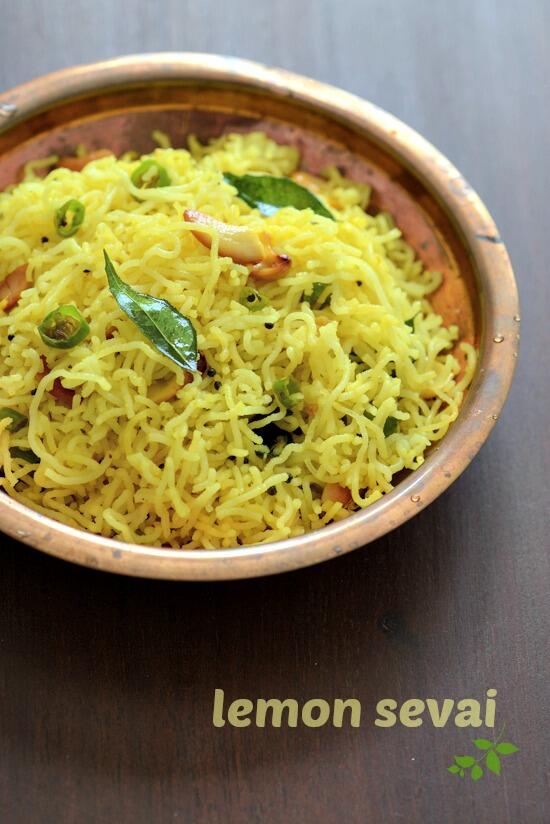
Ingredients
To make lemon sevai, you’ll need a few essential items. These ingredients help bring out the flavors and make the dish delicious. Let’s take a look at what you’ll need:
- 200 grams of rice sevai (noodles)
- 2 fresh lemons
- A sprig of curry leaves
- 1 teaspoon of mustard seeds
- 2 finely chopped green chilies
- 1/2 teaspoon of turmeric powder
- A pinch of asafoetida (hing)
- 2 tablespoons of roasted peanuts
- Salt to taste
General Information
This table provides details about making lemon sevai. It includes information like the difficulty level, preparation time, cooking time, serving size, and meal type.
| Category | Details |
|---|---|
| Making Difficulty | Easy |
| Preparation Time | 20 minutes |
| Cooking Time | 15 minutes |
| Serving Size | 4 |
| Meal Type | Breakfast/Main Course |
Instructions
Follow these steps to make lemon sevai. Each step is easy and helps you create a delicious dish. Let’s get started:
Step 1: Prepare the Rice Sevai
First, take 200 grams of rice sevai and cook it according to the package instructions. This usually involves boiling the noodles in water until they are soft. Once cooked, drain the water and set the sevai aside.
Keep the sevai separate until you are ready to mix it with other ingredients. This helps it stay firm and not get mushy.
Step 2: Squeeze Fresh Lemons
Next, take two fresh lemons and squeeze out the juice. Make sure you remove any seeds from the juice. The fresh lemon juice will add a zesty flavor to the sevai.
Keep the lemon juice ready, as you will add it later in the process. This step ensures the juice is fresh and tangy.
Step 3: Prepare the Seasoning
Heat oil in a pan on medium heat. Add one teaspoon of mustard seeds and let them splutter. This gives a nice aroma to the seasoning.
Then, add two finely chopped green chilies and a sprig of curry leaves. Cook until the chilies and leaves are slightly fried.
Step 4: Add Spices and Sevai
Now, add half a teaspoon of turmeric powder and a pinch of asafoetida (hing) to the pan. Stir well to mix the spices. These spices give color and a subtle taste to the dish.
Next, add the cooked sevai to the pan. Mix well so that the sevai is evenly coated with the spices.
Step 5: Final Touches
Finally, add the freshly squeezed lemon juice and salt as needed. Mix everything thoroughly. The lemon juice gives the sevai its distinctive tangy taste.
Garnish with two tablespoons of roasted peanuts for a crunchy texture. Your lemon sevai is now ready to serve!
Important Things to Keep in Mind
When making lemon sevai, ensure the rice sevai is cooked properly but not overdone. Overcooking can cause the sevai to become mushy, affecting the texture of the dish. Keep an eye on the cooking time to achieve just the right consistency.
Adjust the lemon juice based on your taste preference. Some people enjoy a more tangy flavor, while others might prefer it milder. Start with a smaller amount and add more if needed to balance the taste.
Prepare all your ingredients before you start cooking. Having everything ready will streamline the process and reduce the chances of missing out on any important components. This makes the cooking experience more enjoyable and efficient.
When heating the oil and adding mustard seeds, ensure the seeds splutter properly. This is crucial for releasing their flavor. If the oil is not hot enough, the seasoning won’t infuse correctly with the sevai.
Garnishing with roasted peanuts adds a delightful crunch to the dish. Consider adding a handful of freshly chopped coriander leaves for an extra touch of freshness and color. These small additions can elevate the overall presentation and taste.
Finally, serve the lemon sevai while it’s still warm. This ensures the flavors are at their best and the texture remains perfect. Enjoy your meal with family and friends for a delightful culinary experience.
Nutritional Benefits
Lemon sevai is not just tasty; it’s also quite nutritious. The rice sevai provides a good source of carbohydrates, which are essential for energy. These carbs are especially important for children and active individuals who need more energy throughout the day.
Lemons are rich in vitamin C, which boosts the immune system. This is particularly beneficial in keeping colds and infections at bay. Additionally, vitamin C helps in the absorption of iron from other foods.
The dish also includes turmeric, which has anti-inflammatory properties. Turmeric can help reduce inflammation and is known for its medicinal benefits. Incorporating it into your diet can be a simple way to enhance your overall health.
Roasted peanuts add a dose of healthy fats and protein. These nutrients are crucial for muscle repair and growth. Peanuts also provide essential vitamins like B6 and minerals such as magnesium and potassium.
The use of asafoetida (hing) in lemon sevai aids in digestion. Asafoetida is known to reduce bloating and gas, making it a helpful addition for digestive health. It ensures that the meal is easy on the stomach.
Overall, lemon sevai is a balanced dish that combines taste with health benefits. It’s a great option for a nutritious meal that keeps you energized and supports your well-being.
Frequently Asked Questions
Here are some common questions about making lemon sevai. These answers aim to help you understand more about the recipe and its nuances.
How do I prevent my sevai from becoming mushy?
The key to preventing sevai from becoming mushy is to cook it just right. Follow the package instructions and avoid overcooking. Once cooked, rinse it with cold water immediately to stop further cooking and set aside until ready to use.
Additionally, when mixing the sevai with spices and lemon juice, do so gently. This helps maintain the integrity of the sevai and prevents it from breaking down.
Can I substitute lemons with lime for this recipe?
Yes, you can substitute lemons with lime. Both fruits offer a tangy flavor that complements the sevai. Lime might provide a slightly different taste, but it will still make the dish refreshing.
Ensure to adjust the quantity based on your taste preference. Sometimes, lime can be more potent than lemon, so start with a smaller amount and increase as needed.
Is lemon sevai gluten-free?
Yes, lemon sevai is typically gluten-free. It uses rice noodles, which do not contain gluten. However, always check the packaging of the sevai to ensure it does not have any added ingredients containing gluten.
If gluten-free is your priority, consider checking for certified gluten-free brands. This ensures the product is safe for those with gluten sensitivities or celiac disease.
What type of oil is best for making lemon sevai?
Traditionally, lemon sevai is made using vegetable oil or coconut oil. Both oils contribute to the authentic taste of the dish. If you prefer a healthier option, you can use olive oil.
The choice of oil can slightly alter the flavor. For a more aromatic experience, coconut oil is recommended. However, olive oil adds a delicate undertone and is perfect for health-conscious preparations.
Can I add other vegetables to lemon sevai?
Absolutely, adding vegetables can enhance the nutritional value of lemon sevai. Common additions include peas, carrots, and bell peppers. These vegetables add color, texture, and vitamins to the dish.
Sauté the vegetables separately before adding them to the sevai or cook them along with the seasoning. This ensures they are tender and well-integrated into the dish.
How to Make Lemon Sevai | Lemon Sevai | Breakfast Recipe | CDC 18 | Chef Deena Cooks
Conclusion
Incorporating the lemon sevai recipe into your meal plans offers both delightful flavors and nutritional benefits. This dish stands out for its simplicity and speed, making it an excellent choice for busy mornings or quick lunches. The combination of fresh lemon, aromatic spices, and wholesome sevai guarantees a satisfying culinary experience.
For those seeking a versatile dish, lemon sevai is perfect for experimenting with additional ingredients and flavors. Whether you enjoy it as a standalone meal or pair it with other dishes, lemon sevai’s refreshing tang and easy preparation make it a favorite in any kitchen. Enjoy the delicious and healthful benefits it brings to your table.