Creating a healthy tuna dish suitable for diabetics involves using low-carb and high-protein ingredients. Fresh vegetables, low-fat yogurt, and spices enhance both flavor and nutritional value. This nutritious recipe helps maintain stable blood sugar levels while providing essential nutrients like omega-3 fatty acids and protein, crucial for overall health and well-being.
Many people are unaware that a delicious and nutritious tuna salad can be a perfect meal for diabetics. This versatile dish not only satisfies the palate but also helps in regulating blood sugar levels, thanks to its high protein and low carbohydrate content. Imagine enjoying a flavorful meal that contributes positively to your health management!
Tuna has long been celebrated for its rich omega-3 fatty acids and lean protein, making it an excellent choice for those managing diabetes. A well-prepared tuna recipe can help maintain energy levels without causing spikes in blood glucose. With careful seasoning and the addition of fresh vegetables, it can be an enjoyable part of a diabetic-friendly diet.
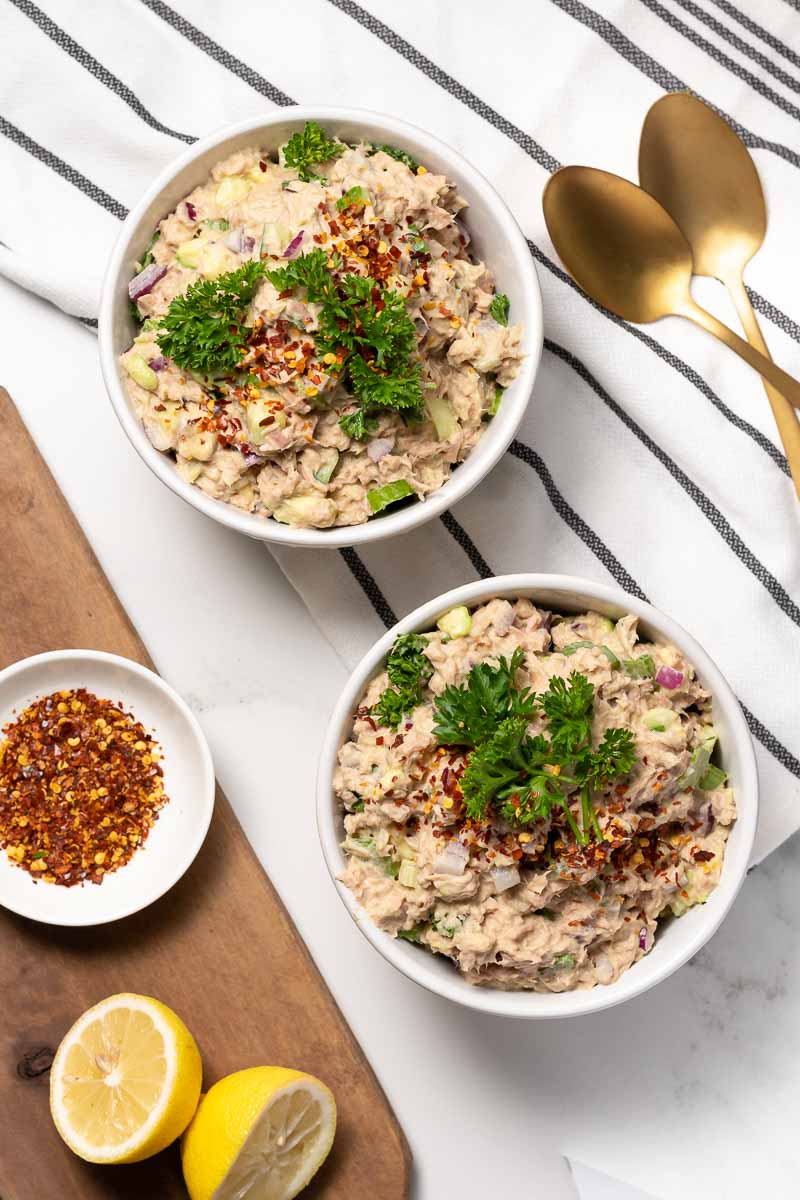
Ingredients
Creating a healthy and delicious tuna salad begins with selecting the right ingredients. These items not only enhance the flavor but also ensure the dish is suitable for diabetics. Here is what you’ll need:
- 1 can of tuna in water, drained
- 1 cup chopped celery
- 1 cup sliced cucumber
- ½ cup low-fat Greek yogurt
- 2 tablespoons fresh lemon juice
- 1 tablespoon Dijon mustard
- 2 tablespoons chopped fresh herbs (like dill or parsley)
General Information
This section provides essential details about preparing a tuna recipe for diabetics. Understanding these aspects can help you make the dish with ease and ensure it fits into a diabetic-friendly diet.
| Category | Details |
|---|---|
| Making Difficulty | Easy |
| Preparation Time | 15 minutes |
| Cooking Time | No cooking required |
| Serving Size | 2 servings |
| Meal Type | Salad |
Instructions
Following these steps will help you make a delicious and diabetic-friendly tuna salad. By carefully mixing the ingredients and preparing the dressing, you’ll create a nutritious dish that everyone will love.
Step 1: Prepare the Tuna
First, open the can of tuna and drain the water completely. Place the drained tuna into a large mixing bowl and use a fork to flake it into smaller pieces. This helps ensure that every bite of the salad is evenly flavored.
Make sure to remove any large chunks or bones you might find. Properly preparing the tuna is crucial for the texture and taste of the salad.
Step 2: Chop the Vegetables
Next, take your celery and cucumber, and chop them into small, bite-sized pieces. The crunch of celery and the freshness of cucumber add great texture to the salad.
Place the chopped vegetables into the bowl with the tuna. Mixing them early ensures that the flavors meld together well.
Step 3: Make the Dressing
In a separate bowl, combine the low-fat Greek yogurt, fresh lemon juice, and Dijon mustard. Stir them together until smooth and well blended.
This dressing will bind the tuna and vegetables together, adding a tangy flavor that complements the dish perfectly. Ensure the mixture is lump-free for the best consistency.
Step 4: Mix Everything Together
Pour the prepared dressing over the tuna and vegetable mixture. Use a large spoon to gently fold the ingredients together until everything is coated evenly.
This step is essential as it ensures that each bite has a balance of flavor and nutrition. Take your time to mix thoroughly but gently to avoid mashing the ingredients.
Step 5: Chill and Serve
Once everything is mixed, cover the bowl with plastic wrap and place it in the refrigerator. Let the salad chill for about 30 minutes to allow the flavors to combine.
When ready to serve, you can garnish the salad with chopped fresh herbs. Enjoy your healthy, diabetic-friendly tuna salad!
Important Things to Keep in Mind
When preparing a tuna recipe for diabetics, it’s essential to pay attention to portion sizes. Overeating, even with healthy foods, can affect blood sugar levels. Use measuring cups or a kitchen scale to ensure you’re consuming the right amount.
Always check the labels on your ingredients. Some products may contain hidden sugars or unhealthy fats. It’s best to choose items that are low in added sugars and high in nutritional value.
Opt for fresh ingredients whenever possible. Fresh vegetables and herbs not only enhance the flavor but also offer additional nutrients. Avoid processed products, which can contain unnecessary additives.
Don’t forget to consider the overall balance of your meal. Pairing tuna with a portion of leafy greens or a small serving of whole grains can make the dish more nutritious. This balance helps keep blood sugar levels stable.
Lastly, keep in mind any personal dietary restrictions or preferences. Everyone’s needs are different, and what works for one person may not work for another. Consult with a dietitian if you’re unsure.
Nutritional Benefits
Tuna is an excellent source of lean protein. This is especially beneficial for diabetics as protein helps regulate blood sugar levels. Protein is also essential for muscle repair and growth.
Another significant benefit of tuna is its high content of omega-3 fatty acids. Omega-3s are known to support heart health and reduce inflammation. This is crucial for diabetics, who are at higher risk of cardiovascular issues.
Tuna is also low in carbohydrates. This makes it an ideal food for those needing to manage their blood sugar levels. Including low-carb foods in your diet helps prevent blood sugar spikes.
In addition to protein and omega-3s, tuna offers various vitamins and minerals. These include vitamin D, which is important for bone health, and selenium, which has antioxidant properties. These nutrients contribute to overall well-being.
Lastly, tuna is versatile and can be paired with many other nutrient-dense foods. Combining tuna with vegetables or whole grains can create a balanced meal. This adds variety and ensures you get a range of nutrients.
Frequently Asked Questions
Below are some common questions about preparing and consuming tuna recipes for diabetics. Understanding these aspects can help ensure the meal is both healthy and delicious.
1. What are the health benefits of tuna for diabetics?
Tuna is rich in lean protein, which helps stabilize blood sugar levels, making it an excellent choice for diabetics. It’s also low in carbohydrates, reducing the risk of blood sugar spikes.
Additionally, tuna is high in omega-3 fatty acids, which support heart health and reduce inflammation. This is particularly important for diabetics, who are at a higher risk of cardiovascular diseases.
2. How do you ensure a tuna recipe is low in carbs?
To keep a tuna recipe low in carbs, avoid adding high-carb ingredients like bread or sugary dressings. Instead, use fresh vegetables like celery and cucumber, and opt for a yogurt-based dressing.
Moreover, check the ingredients’ labels to ensure they do not contain hidden sugars or high-carb fillers. Relying on natural, whole foods helps maintain the dish’s low-carb profile.
3. Can canned tuna be used in diabetic-friendly recipes?
Yes, canned tuna can be an excellent ingredient for diabetic-friendly recipes. Choose tuna packed in water instead of oil to keep the calorie and fat content lower.
Ensure the canned tuna does not have added salt, which can affect blood pressure. Always read the labels to choose the healthiest option available.
4. What are good side dishes to serve with a tuna salad?
Pairing tuna salad with leafy greens like spinach or kale adds extra nutrients without adding many carbs. You can also serve it with a small portion of whole grains, such as quinoa or brown rice.
Fresh fruit or a vegetable medley can make a refreshing side dish that complements the tuna salad well. These options help create a balanced and nutritious meal.
5. How do you make the dressing for a tuna salad healthier?
Using low-fat Greek yogurt as a base for the dressing is a healthier choice compared to mayonnaise. It adds a creamy texture without the added fats and sugars.
Incorporate fresh lemon juice, Dijon mustard, and herbs for flavor. These ingredients enhance the taste without compromising the meal’s health benefits.
Tuna Salad for diabetics – Low carbs salad
Conclusion
Incorporating a tuna recipe into a diabetic-friendly diet offers numerous health benefits. With its high protein, low carbohydrate content, and essential omega-3 fatty acids, tuna is both nutritious and delicious. Crafting meals that are both satisfying and beneficial for blood sugar management is crucial for overall health.
By paying attention to ingredient choices and portion sizes, you can create a variety of dishes that support a healthy lifestyle. This ensures that meals are not only enjoyable but also meet dietary needs. Embracing these practices can lead to better health outcomes and a more enjoyable eating experience for diabetics.